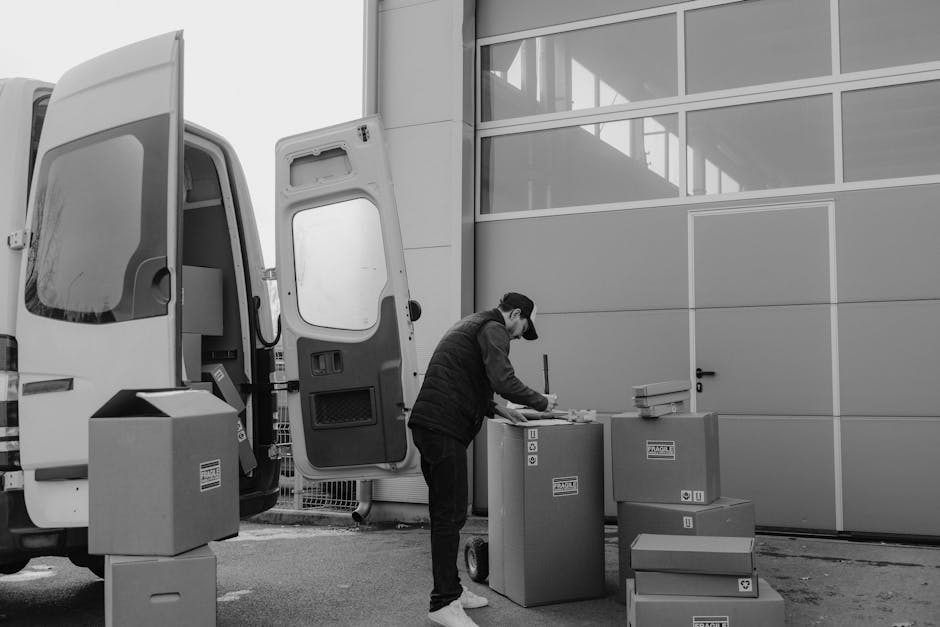
Man with van in Cranham for practical home and business moves

If you need a man with van in Cranham, our service is built around straightforward transport, careful handling and clear planning for everyday moving jobs. We help with furniture, household items, boxes, single bulky pieces and smaller loads that still need the right vehicle and sensible loading. The aim is to keep the move organised from the first enquiry to the final drop-off, so your items are moved in a way that suits the job rather than forcing you into a one-size-fits-all removal.
As a flexible removals option, this service works well for local moves, room changes, pick-ups from shops or storage, and transporting items between addresses. It can also suit customers who do not need a full-scale lorry but still want a careful, professional approach. If you already know what needs moving, a brief list of the main items helps us assess the job. If not, we can still discuss the practical details and shape the plan around access, volume and timing. Use the service that matches the load, not the other way round.
For a clear figure, you can ask for a quote and explain the type of move you are planning. If you are comparing options, keep reading for the main service groups and how they are typically handled. There is no need to overcomplicate the first step: describe the items, the start point and the delivery point, then request a quotation.
Home removals and smaller household moves

House moves vary much more than many people expect, which is why our home removals work is organised around the size of the load rather than a fixed pattern. We can help with flats, houses, shared homes and partial moves where only selected rooms or items are being transferred. That might mean a sofa, beds, dining furniture, white goods, wardrobes or a full set of packed boxes. The service is designed to keep the process calm and practical, with attention paid to loading order and safe transit.
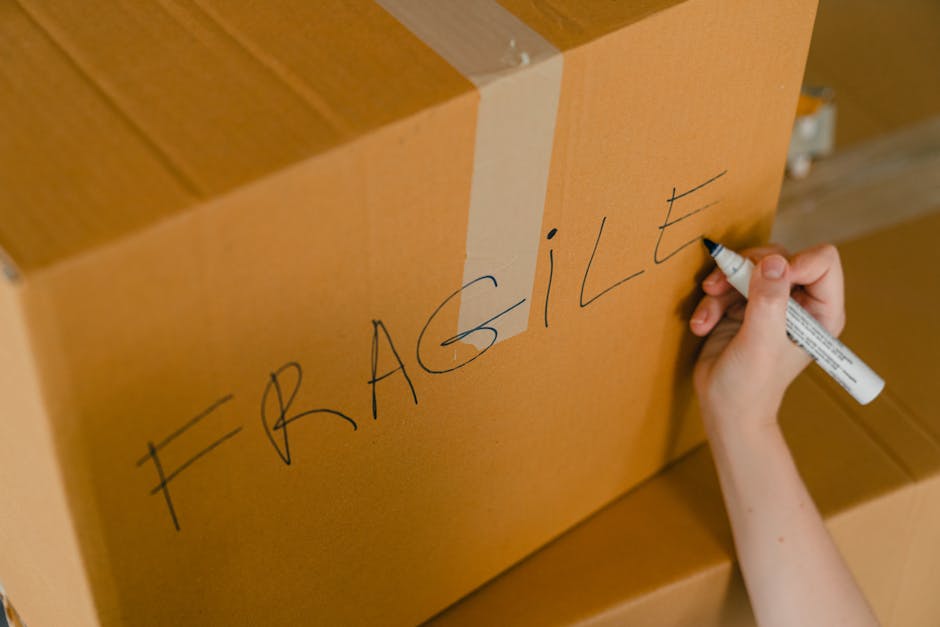
When a household move includes a mixture of fragile and sturdy items, the way they are grouped matters. Heavier items are positioned to travel securely, and delicate belongings should be packed with enough protection to prevent avoidable movement. If there are awkward corners, stairs or narrow access points, these should be mentioned early so the work can be planned sensibly. For many customers, the value is not just the vehicle but the combination of planning, lifting and dependable transport in one arrangement.
Within household work, the details of access often shape the day more than the distance does. A top-floor flat with tight parking may need different handling from a ground-floor move with direct vehicle access. The most useful information is usually simple: what is being moved, how many items there are, whether dismantling is needed and whether anything is especially heavy or awkward. Home moves are easier to quote when those practical points are clear, and that can help you choose the right level of support.
Furniture and item transport

Some customers do not need a full move at all; they simply need one or more items collected, carried and delivered safely. That is where furniture transport is particularly useful. We can move items such as sofas, tables, cabinets, desks, beds and other household pieces that are too large for a standard car or awkward to handle alone. This sort of work suits people buying second-hand furniture, replacing a single room’s contents or shifting items between family addresses.
Careful furniture handling depends on preparing the item properly for transit. If a bed frame can be partially dismantled, it may sit more securely in the van and reduce the chance of damage. Glass, mirrors and polished surfaces may need extra wrapping or separation from harder items. Good loading is not just about fitting everything in; it is about keeping pressure off vulnerable edges and making sure nothing slides during the journey. Short journeys still deserve careful loading, because bumps and movement can affect items just as much as distance.
For mixed loads, it is often sensible to combine furniture with smaller boxes or loose items, provided they can be secured together without risk. If you are unsure whether a collection is suitable for this kind of service, it helps to describe the main object and any access issues. That way the arrangement can be matched to the item rather than guessed in advance. If you need a simple collection and delivery solution, ask for a quotation and outline the piece you want moved.
Commercial moves, office items and light business transport
Business customers often need a transport solution that is more adaptable than a full-scale relocation contract. Our commercial moves service can support small offices, workrooms, stock transfers and furniture delivery for work premises. Typical loads might include desks, chairs, filing units, archive boxes, shelving, display items or equipment that needs to arrive in good order. The aim is to move business items efficiently without turning a simple transfer into an overcomplicated project.
Office work tends to benefit from a clear sequence. Items that are used daily should be identified first, followed by storage pieces, electronics and furniture that can be removed without disrupting essential activity. If your move involves computers or sensitive equipment, you should describe those items separately so that they can be handled in the most suitable way. The same approach helps with mixed-use premises, where trade stock, paperwork and furniture may all need different treatment. Relevant support is available through office removals when your move is centred on workplace equipment and furniture.
Smaller business moves are often easiest when the scope is defined before the day begins. A list of pieces, any building restrictions and the target address can be enough to shape the job sensibly. Where loads are not large enough to justify a full lorry, a man with van approach can be a good fit because it remains practical without being excessive. If you want to compare what the job involves, request a quote and explain the business items needing transport.
Packing, protection and preparation

Packing support can make a major difference to how smoothly a move runs, especially when a load includes breakables, mixed room contents or items that do not stack neatly. Our packing and unpacking services are intended to make the physical move easier by reducing loose handling and helping items stay grouped by room or by type. This can include cartons, wrapping materials, tape, protective covers and sensible organisation before loading starts. The objective is not to add fuss, but to reduce avoidable movement and confusion.
Preparation is often most useful when it is focused on the items themselves. A customer might separate things that must travel together, set aside fragile belongings, or make sure drawers, doors and loose fittings are secured. If something is unusually heavy or awkward, it is better to identify it early than to leave it until collection time. For many moves, a little advance organisation saves a lot of time later. That said, the service remains practical even when the load is not perfectly sorted, because the work can still be arranged around what is actually there.
In some cases, the best preparation is simply to know what you want help with and what you would prefer to keep separate. If you need a transport-led move with extra handling support, packing and unpacking services can be part of the overall arrangement. You can ask for a quotation once the main item types, access points and destination are known. The clearer the brief, the easier it is to match the right level of support to the job.
Vehicle choice, loading and transport options

The right vehicle matters because it affects how securely items travel and how much can be handled in one go. A smaller load may only need limited space, while a wider household transfer may require a larger van setup with room for furniture, boxes and protective separation. We keep the focus on practical capacity rather than unnecessary complexity, which is useful when the job sits between a simple courier task and a full removal. In that middle ground, the vehicle and loading plan should match the item list.
Loading is more than lifting. It is about choosing the order in which things go in, positioning weight sensibly and making sure items are not crushed by harder pieces. Soft items may help cushion some loads, but they should not be relied on to protect breakables unless the arrangement genuinely supports that. If you are moving a combination of furniture and boxes, the heaviest pieces normally go in first, with lighter items placed where they will stay secure. For a wider removal option, removal services can provide a broader view of available transport support.
When you request a quotation, it helps to think about the journey as well as the load. A straightforward point-to-point transfer may be simple, while multi-stop work, storage runs or awkward access can call for more detailed planning. Even then, the process should remain easy to understand: explain what is being moved, where it is going and any special handling points. That gives you a practical basis for comparing the work and deciding how much help you actually need.
House removals for fuller domestic moves
Where the load is more substantial, house removals provide a more complete moving service for domestic customers who need several rooms, larger furniture items and stacked boxes transported together. This is different from a one-off furniture pickup because the work may involve a more structured sequence of loading and unloading. Typical items can include beds, wardrobes, sofas, tables, kitchen contents, personal belongings and household storage. The benefit is having one arrangement that covers the main physical tasks in a coordinated way.
Domestic moves often succeed or fail on clarity. If the route involves several stages, or if one property is more difficult to access than the other, those details should be described early. A quote can then be based on the likely shape of the job rather than on assumptions. When a move is large enough to require a fuller plan, it is sensible to combine transport, handling and item grouping into one sensible schedule. For customers comparing options, house removals offers a natural starting point for that kind of arrangement.
Not every home move needs the same level of input. Some people only want a vehicle and loading help; others want a more hands-on service that covers a larger share of the work. The useful question is not whether the job is big enough to be “properly†moved, but what mix of support will make it manageable. If your household move is still taking shape, a quotation request can help turn a rough idea into a practical plan.
About Cranham
Cranham is a suburban district in the London Borough of Havering, forming part of the outer-east London landscape rather than a separate town with a long independent civic centre. It lies on higher ground above the Thames-side lowlands, and its development is closely tied to the spread of suburban housing and transport links across Havering during the twentieth century. The wider area retains a distinctly residential character, with streets of houses, local shops and community facilities arranged around everyday neighbourhood use rather than a dense commercial core. Cranham’s position near Upminster places it within a broader pattern of settlements that gradually expanded beyond older village boundaries as London grew outward. The area has open aspects in places, with access to green spaces and routes that connect it to surrounding districts, while still remaining well integrated into the London suburban network. Local landmarks include the parish church of St Luke, which reflects the area’s ecclesiastical history, and nearby parks and commons that contribute to the more spacious feel associated with the edge of Greater London. The name Cranham itself is older than the modern suburb and appears in historical records linked to the former rural parish. Although much of the present-day built environment is residential and twentieth-century in origin, traces of earlier settlement patterns remain in the way the district is laid out. The result is a place that combines suburban convenience, local identity and a quieter pace than the more central parts of the capital.
Planning the move and setting expectations
A good moving arrangement starts with the basics: what is going, where it needs to be delivered, and whether any item needs extra care. If you can identify the main pieces first, it becomes much easier to estimate vehicle space and handling needs. For some jobs, you may only need to mention a few furniture pieces and several boxes; for others, there may be bulky items, fragile belongings or access constraints. The more specific the description, the easier it is to shape the right service.
There is usually no need to write a long brief at the outset. A concise message covering the collection point, delivery point, item list and any stairs or parking limitations is often enough to begin. If you want a broader comparison, you can also look at removals as a general service page while deciding whether you need transport for a few items or a fuller move. Keep the focus on the actual load, not on adding unnecessary detail for its own sake.
Once those essentials are clear, asking for a quotation is straightforward. You do not need to make the job sound bigger or smaller than it is; accuracy is more helpful than speculation. The practical aim is to match the vehicle, the handling and the timing to the work in front of us. Clear information leads to a clearer quote, and that makes it easier to plan with confidence.
Common moving situations we can help with
People use a man with van service for all sorts of practical reasons, and not every job fits into a neat category. A customer may be moving from a rented room, delivering a sofa bought privately, taking a few office pieces to storage or arranging a partial house move where only selected items are leaving the property. The service is designed for that middle ground, where a full removal truck would be excessive but moving everything alone would be inconvenient or unsafe.
Typical jobs can include short local journeys, collection and delivery, store pick-ups, student moves, furniture redistribution between homes and transport for boxed belongings. If the load includes a mixture of sizes, it helps to identify the awkward pieces first. Any item with a special shape, weight or surface finish should be noted because those are usually the pieces that affect the loading approach. Where appropriate, furniture pick-up can be a useful fit for single-item transport that still needs proper handling.
When deciding on the right option, think about whether the main issue is vehicle space, lifting support or both. Some jobs are simple but heavy; others are light but numerous. A sensible quote should reflect the real shape of the work rather than forcing it into a standard category. If you have not pinned down every detail yet, that is still fine: start with the essentials and ask for a quotation once the items are clear.
Quotations, access and practical details
Quotation requests work best when they focus on the factors that genuinely change the job. These include the number and size of items, the amount of packing already done, the access at each end, and whether the move involves one trip or several. If there are parking restrictions, long carries, stairs or shared entrances, those should be mentioned because they influence how the work is organised. You do not need to produce a perfect inventory, but a reasonable outline is very helpful.
It can also help to think through which tasks you want handled by the service and which you will manage yourself. Some customers want help with lifting and transport only; others want support from the point of collection through to placement at the destination. If you want a larger scale move, commercial moves can be relevant for workplace transfers, while domestic customers may prefer a more household-focused arrangement. The point is to select the service that matches the actual job.
If you are ready to move forward, request a quotation and describe the items in plain terms. That is enough to begin a sensible conversation about the work, the vehicle and the timing. For many customers, the best result comes from keeping the brief short but accurate, then letting the moving plan be built around those facts.
Service areas within the move itself
Every move has a few decision points that shape how smoothly it runs. The first is whether the load needs to be split into sections or moved all at once. The second is whether any item should be wrapped, dismantled or protected before loading. The third is how the items will be arranged at delivery so that the unloading process is just as controlled as the collection. These are practical choices, and they matter whether the job is a single item or a fuller house move.
For customers who want to compare related services, the website also includes man and van, moving van and house movers, each of which may suit different load sizes and moving needs. The most suitable option depends on whether you are shifting a few items, a domestic load or a wider set of possessions. Understanding that difference helps you avoid paying for more vehicle capacity than you need while still getting the support that the job requires.
If you are unsure where your move sits, that is common. Many customers simply need a practical solution for transport, lifting and organisation, without wanting to turn the matter into a major project. Start with what you know, add any access notes you can give, and ask for a quotation. From there it becomes easier to decide whether you need a light transfer or something closer to a fuller removal.