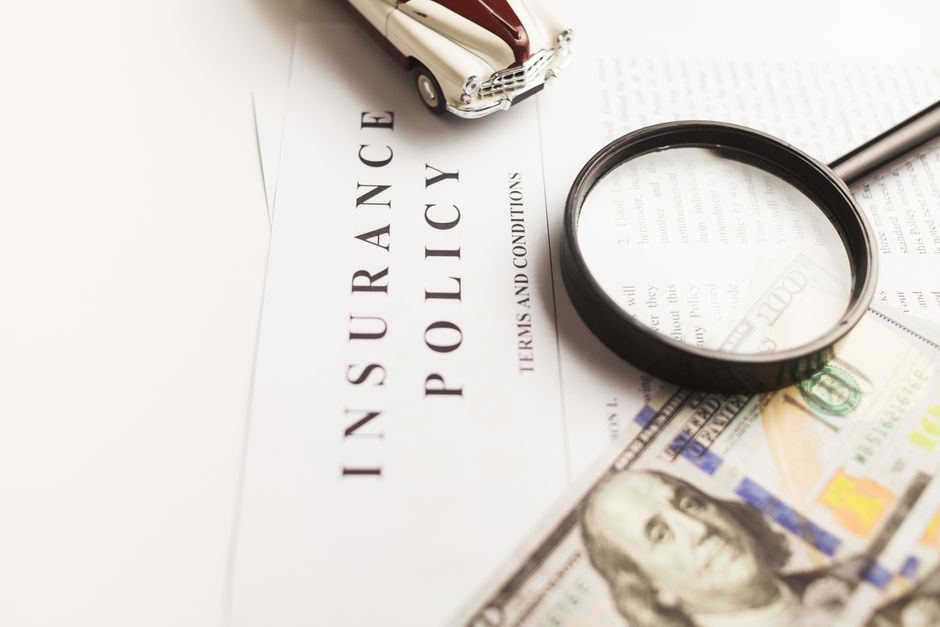
Insurance gaps Cranham movers often overlook
Moving house or relocating a business in Cranham sounds straightforward until something small goes wrong: a sofa gets nicked on a doorway, a lamp breaks in transit, or a box marked "kitchen" turns out to contain the one thing you really needed that evening. That is where Insurance gaps Cranham movers often overlook become more than a technical detail. They can be the difference between a smooth claim and a frustrating argument about what was, and was not, covered.
In practice, people usually check whether the mover "has insurance" and stop there. Fair enough. But that single question can hide a dozen smaller gaps around packing, access, storage, fragile items, vehicle loading, third-party damage, and responsibility before and after collection. This guide breaks those gaps down in plain English so you know what to ask, what to verify, and what to avoid before moving day arrives.
Table of Contents
- Why it matters
- How insurance cover actually works
- Key benefits and practical advantages
- Who needs this and when it makes sense
- Step-by-step guidance
- Expert tips for better results
- Common mistakes to avoid
- Tools, resources and recommendations
- Law, compliance, standards and best practice
- Options and comparison table
- Case study or real-world example
- Practical checklist
- Conclusion
- Frequently asked questions
Why Insurance gaps Cranham movers often overlook Matters
Most people assume moving insurance is one tidy package. It rarely is. There is usually a split between the mover's liability, the transport cover attached to the vehicle, and any extra protection you may need for high-value, fragile, or awkward items. If you only look at one layer, you may think you are covered when you are not.
That matters because moving is full of little risk points. A driveway can be tighter than expected. A narrow staircase can force a different lifting angle. A wet afternoon can make cardboard soft and slippery. Even a careful team can only control so much. Insurance exists for the unexpected, but only if the policy and the move match each other properly.
For Cranham movers, the local picture also matters. Homes and offices can involve shared access, parking pressure, nearby traffic, and older layouts that make handling harder than a simple front-door pickup. Those conditions increase the chance of accidental damage. And let's face it, nobody remembers to ask about insurance once the kettle is packed and the day gets busy.
There is also a trust angle. A mover who can explain cover clearly is usually one who understands the process properly. That does not guarantee perfection, of course, but it is a good sign. If the answer is vague, rushed, or oddly defensive, that is worth noticing.
Expert summary: Insurance problems during a move are often not about "no insurance at all" but about the gap between what the move involves and what the policy actually covers.
How Insurance gaps Cranham movers often overlook Works
To understand the gaps, it helps to think in layers. The mover may hold business insurance, goods-in-transit cover, public liability cover, or a mix of these. Those terms sound similar, but they do different jobs.
Goods-in-transit cover usually relates to items while they are being carried in the vehicle or handled as part of the move. Public liability generally concerns injury or property damage to other people or their property. Employers' liability is about staff protection. Some moves may also involve conditions around packing, declarations of value, or item-specific limits.
The gap appears when people assume one type of cover automatically extends to everything else. For example, if you pack fragile items yourself and they break because of poor packing, the claim position may be very different from damage caused by the mover's handling. Or if you leave something in a loft, shed, garage, or storage cupboard after the inventory is taken, it might not be treated the same as items handed over at the agreed collection point.
That is why insurance and safety information should be read alongside the service details, not after the move. Good movers are usually happy to explain what is included, what is excluded, and what you need to declare in advance.
One practical point that gets missed all the time: cover often depends on honesty and accuracy. If you say a box contains books and it actually contains glassware, you can create a problem before the van even leaves. Tiny thing, big consequences.
Common cover layers people confuse
- Transit cover for items moving in the vehicle
- Handling cover for loading and unloading damage
- Public liability for accidental damage to property or third parties
- Self-packed item exclusions where the mover is not responsible for poor packing
- Storage limitations if items are held temporarily off the vehicle
Key Benefits and Practical Advantages
Getting insurance right does more than protect against a worst-case scenario. It makes the whole move easier to manage. You know who is responsible for what, which items need special treatment, and where the boundary sits if something goes wrong.
The biggest practical benefits are usually these:
- Clearer expectations before moving day, which reduces stress.
- Faster claims handling if you need to raise an issue later.
- Better packing decisions because you understand which items need extra care.
- Less dispute risk over items that were already damaged, poorly packed, or not declared.
- More confidence in the mover because the conversation is open and specific.
There is also a commercial benefit. If you are moving a small office, a stockroom, or specialist equipment, even a modest delay can cost more than the item itself. Insurance gaps become operational gaps. That is why many businesses choose to review options carefully through pages like commercial moves or office removals when planning a relocation.
For home movers, the upside is simpler but still real: less worry, fewer surprises, and a more sensible packing plan. If you are comparing full household help, it can also be worth looking at home moves or the broader house removals service overview to understand what support is offered and how it fits your situation.
Who This Is For and When It Makes Sense
This topic matters to almost everyone moving, but it is especially important if you fall into one of these groups:
- Families moving full homes with furniture, kitchenware, children's items, and sentimental belongings.
- People with high-value items such as antiques, artwork, musical instruments, or specialist electronics.
- Tenants moving in or out where damage disputes can get messy quickly.
- Small businesses and offices moving equipment, files, or stock.
- Anyone using a man and van service for a partial or mixed move where assumptions are easy to make.
It also makes sense if you are doing an awkward move with stairs, limited access, or a tight time window. The more complex the move, the more you should care about the insurance details. A simple van job can still go wrong, but a cramped townhouse staircase with a heavy wardrobe? That is where tiny gaps show up very quickly.
If you are searching around for the right type of provider, it can help to compare the wording used on man and van, man with van, and movers pages. The label matters less than the actual cover and process, to be fair.
Step-by-Step Guidance
If you want to avoid the usual blind spots, use a simple process. It does not need to be complicated.
- Ask what insurance is included. Do not stop at "yes, we're insured." Ask for the type of cover and what it protects.
- Check whether packing affects cover. Find out what happens if you pack everything yourself versus using a professional packing service.
- List fragile and high-value items early. This helps the mover plan handling, loading, and vehicle space more safely.
- Clarify access details. Stairs, lifts, long carries, parking restrictions, and storage locations all matter.
- Confirm when responsibility changes hands. Ask at what point an item is considered collected, in transit, or delivered.
- Keep evidence. Photos, item lists, and pre-move condition notes can save a lot of arguing later.
- Read the terms before the move, not after. It is much easier to fix a misunderstanding in advance than on the pavement with a box marked "fragile".
If the move includes unpacking or packing support, ask whether the insurer treats those tasks differently. Services such as packing and unpacking services can reduce risk, especially for breakables, but only if the scope is clear.
Another practical step: compare the quote with the cover, not just the price. A cheaper quote with narrow terms can be false economy. Everyone likes saving money. Nobody likes discovering the saving was mostly in the exclusions.
Expert Tips for Better Results
After looking at a lot of moves, a few habits stand out as genuinely useful.
- Use an item value threshold. If something would be annoying or expensive to replace, name it specifically.
- Separate packed and unpacked items. Self-packed boxes may have different treatment from professionally packed ones.
- Do not leave loose items for "later". Odds are they will be the thing that gets damaged or lost.
- Photograph everything before loading. Even quick phone photos are better than memory.
- Ask about temporary storage. If your timing changes, the insurance position may change too.
One small but important detail: if you are using a van service rather than a full removal team, the scope of handling can be different. Pages such as moving van, removal van, and removals van can help you understand the type of transport involved, but you still need to confirm the insurance layer separately.
And yes, sometimes the best expert tip is simply this: write it down. Not glamorous. Very effective.
Common Mistakes to Avoid
Most insurance problems during a move are caused by avoidable misunderstandings. Here are the big ones.
- Assuming "covered" means fully covered. It may not include accidental breakage, self-packed damage, or delayed claims.
- Not declaring high-value items. Jewellery, specialist tech, or heirlooms may need advance notice.
- Ignoring access limitations. If the mover cannot park close enough, handling risk rises.
- Leaving items behind in sheds, lofts, garages, or outbuildings. These are easy to miss and awkward to claim for.
- Using vague descriptions. "Household stuff" is not a very helpful note when something goes wrong.
- Forgetting about third-party damage. Scratched flooring, chipped walls, or damage in communal areas can become a bigger issue than the item itself.
In our experience, one of the most common mistakes is underestimating the role of packing quality. A box that collapses because it was overfilled may look like a transport issue from the outside, but the policy wording can tell a different story. That is the sort of detail people wish they had checked on a calm Tuesday, not moving day at 7:30 a.m.
Tools, Resources and Recommendations
You do not need a complex toolkit, just a sensible one. A good move checklist, your phone camera, some sticky labels, and a simple spreadsheet or notes app can go a long way.
Useful things to prepare:
- Inventory list with a rough value for key items
- Photo record of furniture, appliances, and any pre-existing marks
- Packing labels for fragile, heavy, and priority boxes
- Floor plans or room notes if the new place has awkward access
- Contact details for the mover and any building manager or landlord
For the service side of the move, it can help to review the mover's wider information pages as well. Health and safety guidance gives you a sense of how risk is handled, while terms and conditions and pricing and quotes help you understand the practical and financial side of the arrangement.
If you are weighing up a local provider, the pages for removal company, removal services, and removal companies can support comparison without forcing you into a one-size-fits-all approach. That is useful because not every move needs the same level of support.
Law, Compliance, Standards, or Best Practice
Insurance for removals in the UK is not something you should treat casually, even when the legal wording is not the main focus of the conversation. Businesses moving goods should be able to explain their cover in plain English, and responsible operators usually do. You do not need a lecture on policy jargon; you need to know what happens if a box is damaged or a wall gets marked.
Best practice usually includes:
- clear written terms
- accurate item declarations
- pre-move inspection or notes where needed
- transparent handling of claims and complaints
- basic safety planning for lifting, carrying, and loading
For reassurance, it is sensible to review public-facing company information such as about us, insurance and safety, and complaints procedure. These pages are often overlooked, but they tell you a lot about how seriously a mover treats responsibility when things do not go perfectly.
If you are moving business premises, the expectations are a bit stricter in practice, even when the law itself is not the first thing on your mind. Equipment downtime, access control, and record handling all create extra risk. A thoughtful mover should understand that and plan accordingly.
Options, Methods, or Comparison Table
People often choose between a few broad approaches. Here is a simple comparison that can help.
| Option | Best for | Main advantage | Typical insurance question |
|---|---|---|---|
| Man and van | Smaller or lighter moves | Flexible and often efficient | What is covered during loading and transit? |
| Full removal service | Whole-house moves or larger jobs | More hands, more planning | How are packing and handling risks treated? |
| Office relocation service | Business moves and equipment | Structured and organised | What happens to IT, stock, and fixtures? |
| Self-pack plus transport | Cost-conscious moves | More control over packing | Does self-packing change liability? |
There is no single perfect option. The right answer depends on how much you are moving, how fragile it is, and how much risk you want to carry yourself. If you want a quick local starting point, removals near me can help you narrow the field, but the insurance questions still need proper attention.
Case Study or Real-World Example
Imagine a Cranham family moving from a two-bedroom house into a slightly larger place a few roads away. Nothing dramatic. The piano is not grand, the TV is not huge, and the boxes are labelled neatly. Still, there are three easy-to-miss insurance gaps.
First, the family packs their own kitchen glasses into soft supermarket boxes. Fine on the surface, but not ideal once the van hits a speed bump. Second, the side access to the new property is narrower than expected, so several items need to be carried further than planned. Third, a lamp is left in the hallway because "we'll grab it at the end," and it gets mixed in with packing debris.
None of those issues is unusual. But each one creates a different insurance question. Was the glass damaged because of packing quality? Was the extra carry distance declared? Was the lamp actually included in the handover list? That is the sort of detail that can turn a straightforward move into a slow back-and-forth.
Now compare that with a better-prepared move. The customer tells the mover about the glasses, the access route, and the lamp. The mover adjusts packing advice, brings an extra person for heavier items, and notes the items at collection. The move is still a move - noisy, busy, and mildly chaotic - but the insurance position is much cleaner. That is the point.
Practical Checklist
Use this checklist before your move starts:
- Confirm what insurance is included
- Ask whether self-packed items are treated differently
- List fragile, valuable, or awkward items separately
- Share access details, including stairs, lifts, parking, and distance from vehicle to door
- Take photos of important items before the move
- Check whether storage, if needed, is covered
- Read the key terms and conditions
- Keep the mover's contact details handy on moving day
- Make sure everyone knows what stays and what goes
- Ask how complaints or claims should be raised if something goes wrong
One more thing: if you are moving delicate furniture or want help with specific items, it can be worth looking at the service pages for furniture pick up and moving truck to better match the vehicle and handling setup to your move.
Conclusion
Insurance gaps are rarely dramatic at the start. They usually begin as tiny assumptions: "that should be covered", "we'll sort that later", or "it's only one box". Then moving day arrives, the rain starts, the hallway gets crowded, and the little assumptions suddenly matter a lot.
The smart approach is simple. Ask direct questions, declare your valuable items, understand how packing affects responsibility, and choose a mover who explains their cover without dancing around the issue. When you do that, you are not just protecting boxes and furniture. You are protecting your time, your money, and a fair bit of peace of mind too.
Get a free quote today and see how much you can save.
If you are planning a move in or around Cranham, take the time to compare the service carefully, keep the paperwork tidy, and trust the details. The move will feel calmer for it, and honestly, that calmer feeling is worth a lot.
Frequently Asked Questions
What are the most common insurance gaps movers overlook?
The most common gaps are self-packed damage, high-value items that were never declared, access issues, temporary storage, and damage caused while loading or unloading rather than during the drive itself.
Does a mover's insurance automatically cover all my belongings?
Not always. Cover can depend on the type of item, how it was packed, whether it was declared, and whether the damage happened during transit, handling, or storage.
Are self-packed boxes usually covered?
Sometimes they are, sometimes they are not, and sometimes the cover is limited. It depends on the mover's terms and how the item was packed. Poor packing can weaken a claim.
Why should I care about public liability if my items are insured?
Because public liability is about damage to property or injury to other people, not just your boxes and furniture. A scratched wall or damaged communal area may fall under a different part of the policy.
What should I ask a Cranham mover before booking?
Ask what insurance is included, what exclusions apply, how fragile items are handled, whether self-packed goods are treated differently, and how claims should be raised if needed.
Do office removals need different insurance from house moves?
Often yes, or at least a different level of attention. Office moves may involve equipment, files, stock, and tighter timing, so the risk profile is different.
Is packing and unpacking service worth it for insurance reasons?
It can be. Professional packing often reduces the chance of damage and may make liability clearer, especially for breakables and awkward household items.
What happens if I forget to mention a valuable item?
That can create a problem if the item is damaged or lost. It is better to declare anything expensive, unusual, fragile, or sentimental before the move starts.
Should I take photos before the move?
Yes. Photos of furniture, appliances, and any pre-existing marks are a simple way to support a claim or resolve a dispute later.
Do insurance gaps matter for small moves too?
Absolutely. Small moves can still involve expensive items, tight access, and accidental damage. The scale may be smaller, but the risk can still be very real.
How do I know if a mover is trustworthy about insurance?
A trustworthy mover explains cover clearly, answers questions without hesitation, and provides written terms that match the service being offered. Vague answers are usually a warning sign.
What is the best next step if I'm unsure about cover?
Make a short item list, note any access issues, review the mover's terms, and ask direct questions before you book. A few minutes now can save a lot of hassle later.