Bulky-item pickups in Cranham: recycling and collection fees
Posted on 26/06/2026
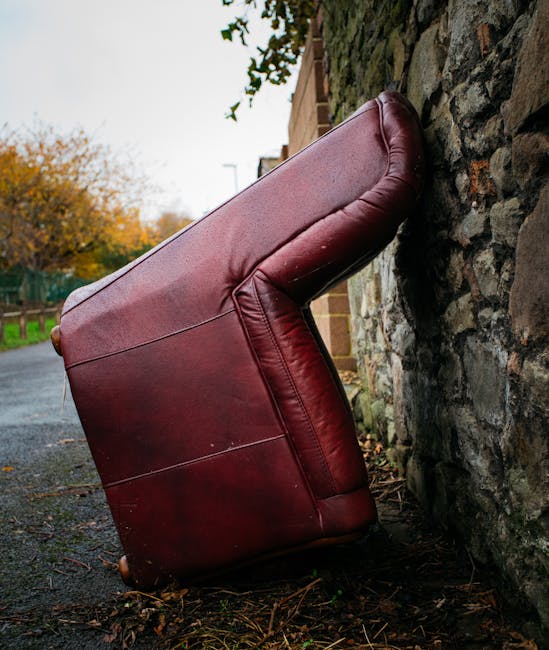
If you've ever stared at an old sofa, a heavy wardrobe, or a fridge that's finally given up and thought, "Right... what now?", you're in the right place. Bulky-item pickups in Cranham: recycling and collection fees can feel oddly confusing at first, especially when you're trying to balance convenience, cost, and the right way to dispose of things responsibly. The good news? Once you understand the usual collection options, what affects the fee, and when recycling is the smarter route, the whole process becomes much easier to handle.
This guide breaks everything down in plain English. You'll see how bulky waste collections typically work, what kinds of items are commonly accepted, where fees tend to come from, and how to avoid the little mistakes that lead to delays or extra costs. We'll also cover practical alternatives, local planning tips, and a simple checklist so you can make a calm, sensible decision rather than a rushed one. Let's face it, bulky rubbish is rarely glamorous, but it doesn't have to be a headache either.
Why bulky-item pickups in Cranham: recycling and collection fees matters
Bulky items are awkward by nature. They're difficult to carry, hard to store, and often too large for standard household bins. In Cranham, that means households and landlords end up choosing between a council-style collection, a private removal service, a trip to a reuse or recycling option, or a combination of all three. The decision matters because the wrong choice can waste money, create avoidable lifting risks, or leave you with an item sitting in the hallway for another week. Nobody wants that.
Fees also matter because bulky waste isn't priced like ordinary household rubbish. A single item might be straightforward, but larger loads, harder access, or items that need special handling can change the final cost. And from a sustainability point of view, recycling or reuse is often better than simple disposal. If an item can be broken down, repaired, reused, or passed on, that's usually the cleaner outcome for the local environment and your wallet. Not always, but often.
For people moving home, decluttering before a move, clearing out a rented flat, or dealing with inherited furniture, understanding these choices saves time. It also links neatly with planning and packing. For example, if you're working through a bigger clear-out, it may help to read our decluttering guide before moving and the end-of-tenancy cleaning checklist so you can coordinate the removal properly rather than tackling everything in a rush.
Expert summary: The cheapest-looking option is not always the best value. For bulky waste, the real cost includes labour, access, recycling handling, speed, and how much of the item can actually be reused or recovered.
How bulky-item pickups in Cranham: recycling and collection fees works
The basic idea is simple: you identify the items, check what can be collected or recycled, choose the collection method, and book a time slot or visit. The detail is where people usually get caught out. Different services may charge by item, by load, by type of material, or by the difficulty of the job. A sofa and a broken bedside table might seem similar to the eye, but in practice they can fall into very different pricing or handling categories.
In most cases, bulky-item pickup involves some mix of the following steps:
- Item assessment - size, weight, condition, and whether it can be dismantled.
- Service selection - local collection, man and van support, or full removal handling.
- Fee calculation - often influenced by quantity, access, and whether recycling is required.
- Collection day preparation - making items accessible, safe, and ready to move.
- Sorting and routing - deciding what is reused, recycled, or disposed of appropriately.
That last step is important. "Bulky waste" is not one single category in reality. A mattress, a freezer, a sofa, and a large office chair all pose different handling considerations. Some need lifting with care. Some may need to be kept upright. Some may contain materials that are accepted for recycling only after specific preparation. If you've ever tried to move a heavy item down a narrow hallway at 7:30 in the morning, you'll know this is not the sort of job that benefits from guesswork.
If your bulky item is part of a wider household move, the collection may be easier to bundle into a larger service. You can compare that kind of approach with the difference between man-and-van and full removals, or, if timing is the real issue, look at same-day removal availability and costs. That gives you a better feel for whether speed or overall convenience matters more.
Key benefits and practical advantages
There's a reason people search for bulky-item pickups in Cranham rather than simply trying to wrestle everything into a car boot. The main advantage is obvious: it saves effort. But the practical benefits go a bit deeper than that.
- Less physical strain - no need to drag a heavy wardrobe down the stairs or risk twisting your back.
- Cleaner disposal - recycling routes reduce unnecessary waste where possible.
- Better space management - ideal during moves, refurbishments, or office clear-outs.
- Faster turnarounds - especially useful if you're under time pressure between tenancies.
- Safer handling - large items are less likely to damage walls, bannisters, floors, or doorframes when handled properly.
There's also a quiet benefit that people underestimate: peace of mind. A bulky item left in a corner becomes visual clutter very quickly. Once it's gone, the room feels different. Lighter, somehow. More usable. That's not just emotional fluff either; clutter can make the rest of a move feel more complicated than it really is.
If the item is still in decent shape, it may also be worth thinking about storage or reuse before paying to remove it. For example, a sofa in good condition could be stored safely while you decide what to do next; see how to keep a sofa safe during long-term storage. Likewise, if you're dealing with a freezer that still works, freezer storage guidance can help you avoid damage if you're not ready to part with it yet.
Who this is for and when it makes sense
This type of pickup is useful for more people than you might think. It's not just for a full house clearance. In fact, many Cranham residents use it for one or two items that are just too bulky for a normal bin collection or too awkward to move themselves.
It often makes sense if you are:
- moving home and clearing out unwanted furniture
- replacing a bed, wardrobe, sofa, or appliance
- emptying a rented flat before handover
- clearing a garage, loft, or shed
- helping a relative downsize
- managing office furniture changes
- dealing with a last-minute item that simply will not fit through the normal waste route
For students, smaller flats, and shared homes, bulky-item pickups are especially useful because storage space is limited. A spare mattress leaning against the wall for three weeks is nobody's idea of elegant living. If that sounds familiar, student removals in Cranham can be a useful reference point when you need a broader clearance plan, not just a single-item pickup.
Sometimes the decision is about access as much as volume. If you live in a flat, on a tight street, or somewhere with awkward parking, the practical side becomes more important. In those cases, reading the Cranham narrow-street moving guide and the parking permit advice for removals can save a surprising amount of stress.
Step-by-step guidance
If you want a straightforward process, work through it in order. That way you reduce surprises and make the fee easier to understand before anything is booked.
1. Identify exactly what needs to go
Write down the item or items and be specific. "Old furniture" is too vague. "Two-seater sofa, disassembled bookcase, and under-counter freezer" gives a much clearer picture of labour and recycling needs.
2. Check condition and materials
Is it recyclable? Is it reusable? Does it contain mixed materials, fabric, metal, wood, or electrical components? These details matter because they influence how an item is sorted and what handling it needs.
3. Measure the item and the access route
Measure height, width, and depth, and look at the route out of the property. Tight hallways, staircases, low ceilings, and narrow front doors can all affect the job. A quick tape measure check now is far easier than discovering the sofa catches on the banister later. Which, to be fair, happens more often than people admit.
4. Decide whether dismantling helps
Some items become much easier and cheaper to move if they are taken apart first. Beds, tables, and some wardrobes can often be broken down safely. If you're unsure how to do that properly, it may be worth getting advice from the bed and mattress moving guide or a more general packing resource like these stress-free packing tips.
5. Compare collection options
You can usually choose between a local bulky collection, a recycling-oriented clearance, or a removal-style service that handles lifting, loading, and transport. The right choice depends on your item, timetable, and budget. Don't default to the first option just because it sounds simple.
6. Prepare the area for safe collection
Clear hallways, remove loose rugs, protect corners if necessary, and make the item reachable. If you have children or pets, keep them out of the route. Small details, big difference.
7. Keep paperwork and fee details
Always keep a record of the agreed items, the fee, and what the service includes. That helps avoid misunderstandings if extra labour or disposal work is needed on the day.
Expert tips for better results
Here's where experience really helps. A few sensible choices can reduce the overall fee and make the pickup much smoother.
- Group items together where possible. One trip for several bulky items is often more efficient than arranging multiple single pickups.
- Remove loose parts such as cushions, drawers, shelves, or detachable feet before collection.
- Drain and defrost appliances in advance if they need to be moved. A freezer with hidden water is asking for trouble.
- Use recycled packaging or blankets to protect walls and floors during lifting.
- Book early for busy periods like weekends, month-end, and peak moving season.
- Be realistic about condition. A damaged item may still be recyclable, but not necessarily reusable.
One very practical tip: take photos before booking. Not glamorous, but useful. A couple of clear pictures from different angles can help explain size, condition, and access much better than a long message ever will.
If you're the type who likes to do things yourself, there's value in understanding safe lifting basics too. The articles on lifting heavy objects safely and kinetic lifting principles are useful if you're moving smaller items before the collection day. Just don't overestimate what one person can safely shift. We've all done that at least once, usually regretted it by tea time.
Common mistakes to avoid
Most bulky-item headaches come from the same handful of avoidable errors. The good news is that each one is easy to sidestep once you know it's there.
- Underestimating weight - a wardrobe that looks manageable can become a two-person job fast.
- Forgetting access problems - stairs, parking, and tight corners can change the job completely.
- Assuming everything is recyclable in the same way - mixed materials, electricals, and upholstered items can be handled differently.
- Leaving collection prep until the last minute - that's when hidden screws, trapped drawers, and last-minute disassembly start causing delays.
- Choosing by price alone - the cheapest fee may exclude lifting, loading, or proper recycling handling.
- Ignoring safety - one bad lift can be more expensive than the collection itself.
A small but important one: don't place bulky items where they block shared pathways or entrances while waiting for collection. It can create problems for neighbours, and in some buildings it can also cause access or fire-safety concerns. Nobody needs that kind of drama.
Tools, resources and recommendations
You do not need specialist kit for every pickup, but a few simple tools make life easier:
- a tape measure for checking clearances
- a screwdriver or Allen key set for dismantling furniture
- work gloves with a good grip
- moving blankets or old sheets to protect surfaces
- a trolley or sack truck for dense items where safe to use
- packing tape and marker pens if parts need labelling
For planning a bigger clearance or move, a few related pages can also help. Packing and boxes in Cranham is useful if your bulky pickup is only one part of a wider move. If you are replacing furniture rather than simply disposing of it, furniture removals in Cranham is worth looking at. And if the item is tied to a home move, house removals in Cranham gives a broader sense of the support available.
For trust and reassurance, it also helps to understand the provider's standards around care and handling. The health and safety policy, insurance and safety information, and recycling and sustainability approach can tell you a lot about how responsibly an operation is run. Those details matter more than a flashy headline fee.
Law, compliance, standards, or best practice
For bulky waste in the UK, the safest approach is to follow local collection rules, duty-of-care principles, and sensible waste-handling best practice. That usually means sorting items honestly, presenting them safely, and making sure anything recyclable is routed appropriately rather than mixed up with general rubbish.
In practical terms, compliance means a few simple things. Don't leave items in a place where they create hazards. Don't assume every service will take every item. Be accurate about what you need collected. And if an item is electrical, upholstered, sharp, contaminated, or unusually heavy, disclose that up front. It may affect the fee, but it also affects how the item should be handled.
Best practice also includes avoiding fly-tipping shortcuts. If a collection sounds suspiciously cheap and there's no clear explanation of where the items will go, that's a red flag. Not every low price is dodgy, of course, but if nobody can tell you how recycling or lawful disposal works, be cautious.
For moves involving common access issues or larger vehicles, local planning matters too. If you are navigating tight roads, parking constraints, or same-day logistics, the articles on best van routes from Cranham village centre and moving tips for St Mary's Lane residents give a helpful sense of what to expect on the ground.
Options, methods, or comparison table
There is no single best way to deal with bulky items. The right choice depends on how much you have, what condition it's in, and how quickly you need it gone. Here's a simple comparison to make the options easier to judge.
| Option | Best for | Typical pros | Potential drawbacks |
|---|---|---|---|
| Bulky-item pickup | One-off furniture or appliance removal | Convenient, straightforward, often quick | May have item limits, access restrictions, or fixed collection windows |
| Recycling-focused collection | Items with reusable materials or recyclable components | Better environmental outcome, responsible disposal | Preparation may take longer; some items need sorting first |
| Man and van clearance | Mixed loads, awkward access, or multiple bulky items | Flexible, helpful with lifting, adaptable to different jobs | Cost depends heavily on access, labour, and volume |
| Full removals service | Large home moves or major clearances | Broad support, planning help, safer for heavy items | May be more than you need for just one item |
| Storage first, dispose later | Items you are undecided about | Buys time, avoids rushed decisions | Extra storage cost and another move later |
For many Cranham households, the sweet spot is somewhere between a simple pickup and a broader removal service. If the item is heavy but still salvageable, a short-term storage decision can be smarter than hurrying into disposal. That way, you keep control of the timeline. Sometimes that matters more than shaving off a few pounds.
Case study or real-world example
A typical Cranham scenario goes like this. A couple is moving from a two-bedroom flat and discovers they no longer want an old sofa, a broken chest of drawers, and a freezer that has been sitting unused in the kitchen. At first, they assume they can just leave everything for a standard collection. Once they check the size and weight, though, they realise the sofa needs two people to carry, the freezer needs defrosting, and the drawers may need dismantling.
So they break the job into stages. They measure the items, photograph them, empty and defrost the freezer, remove loose parts from the drawers, and clear the hallway. They compare a basic pickup with a man-and-van clearance option and realise that the latter is a better fit because the access is tight and the items are awkward. They end up paying a bit more than the lowest advertised fee, but the work is completed in one visit, without damage to the walls or a frantic last-minute carry-down the stairs.
That's the real lesson. The cheapest option on paper is not always the most sensible option in practice. A well-planned collection often saves time, prevents injury, and avoids the "why did we not do this earlier?" feeling at the end. Familiar, that one.

Practical checklist
Use this checklist before any bulky-item pickup in Cranham.
- List every item clearly and separately.
- Check whether each item is reusable, recyclable, or disposal-only.
- Measure the item and the exit route.
- Photograph the items from a couple of angles.
- Remove loose parts, shelves, or cushions.
- Defrost and dry appliances in advance.
- Clear hallways, stairwells, and doorways.
- Protect floors and walls if needed.
- Confirm the fee, what's included, and the collection window.
- Keep pets and children away from the route on the day.
If you are planning a bigger move at the same time, it's worth reading how to move house stress-free and practical stress-free packing tips. A little structure goes a long way when there's a sofa, a fridge, and half a loft to think about. The list is boring, yes. But it works.
Get a free quote today and see how much you can save.
Conclusion
Bulky-item pickups in Cranham are much easier to manage once you separate the three big questions: what needs removing, what can be recycled or reused, and what the collection is likely to cost. If you know those things early, you can choose the right method without panic or guesswork. That's really the core of it.
For one-off items, a simple pickup may be enough. For heavier loads, awkward access, or a mix of furniture and appliances, a more flexible removal approach can be worth the extra spend. And if the item still has life left in it, storage or reuse may be better than immediate disposal. The best choice is not always the fastest one; it's the one that fits your home, your schedule, and your budget without creating extra hassle later.
Take your time, measure properly, and don't be shy about asking how the fee is built. Small details make a big difference. And once the bulky item is finally gone, the room usually feels calmer straight away. That little moment is worth aiming for.


