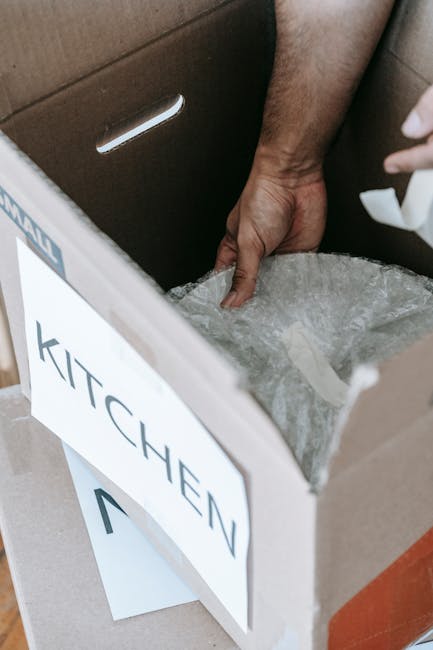
Office relocation success: Cranham bakery's same-day move

There's a particular kind of panic that hits when a small business has to move and still open the next morning. For a bakery, that pressure multiplies. You've got chilled ingredients, equipment with wiring to think about, staff who need clear instructions, and customers who expect the smell of fresh bread, not cardboard and chaos. That's why Office relocation success: Cranham bakery's same-day move is such a useful case to think through: it shows how a commercial move can be planned tightly enough to protect trading hours, staff morale, and stock at the same time.
This article breaks down what makes a same-day bakery relocation work, how to approach it sensibly, and where the hidden risks usually sit. If you're planning a fast office or commercial move in Cranham, or anywhere with limited downtime, you'll find a practical roadmap here - not fluff, not theory, just the bits that tend to matter on the day.
Why Office relocation success: Cranham bakery's same-day move Matters
Same-day relocation is not just about speed. It's about continuity. For a bakery, continuity can mean the difference between a slightly disrupted day and a proper business headache. Staff still need somewhere to work, customer orders still need to be handled, and anything cold or fragile has to stay under control. If you get the sequence wrong, the move becomes a pile-up of little losses: wasted time, damaged kit, delayed reopenings, and grumpy people everywhere. Not ideal.
For office relocations, the stakes are a little different but just as real. Computers, files, chairs, workstations, phones, and basic admin processes all need to land in the right place quickly. A same-day move matters because it keeps disruption contained. You clear one site, transfer the essentials, and reopen before the working week has a chance to wobble too much.
There's also a trust element here. Customers rarely see the packing labels, the route planning, or the van loading order. They only see whether the business kept going. That's why commercial moves need to be treated like operational projects, not just transport jobs. The best outcomes usually come from careful planning, sensible timing, and a removal team that understands that a bakery oven, a filing cabinet, and a desk full of cables all have different needs.
Key takeaway: a successful same-day move is less about rushing and more about sequencing. Move the right things in the right order, protect the essentials, and keep the reopening plan simple.
How Office relocation success: Cranham bakery's same-day move Works
The basic idea is straightforward: everything is prepared before moving day so the physical transfer can happen in a narrow time window. In practice, that means the business has already sorted what is going, what is staying, what needs special handling, and what should be discarded or recycled. The moving team then works through a tight schedule, often early morning to late afternoon, depending on volume and distance.
For a bakery or office, the move usually falls into three linked stages:
- Pre-move preparation: inventory, packing, labelling, access checks, and equipment disconnection where needed.
- Load and transit: priority items go first or are separated by category, with careful handling for fragile or high-value equipment.
- Unloading and setup: essentials are placed where staff can get straight back to work, even if the whole site is not fully finished yet.
That last part is often the clever bit. A same-day move does not always mean every item is unpacked and perfectly arranged by tea time. Sometimes it means the core trading or office functions are live first, while secondary items are completed later. Truth be told, that's often the realistic version.
There's also a local awareness piece. In Cranham and the surrounding area, access can be straightforward in some places and annoying in others - limited parking, awkward loading bays, narrow roads, neighbours who do not enjoy van doors slamming before 7 a.m. These are tiny details, but they shape the whole plan. Good moving teams factor them in early, not halfway through the day while someone is holding a clipboard and muttering.
Key Benefits and Practical Advantages
When a same-day move is handled properly, the upside is not just convenience. It can genuinely protect revenue, staff time, and customer confidence.
| Benefit | What it means in practice | Why it matters |
|---|---|---|
| Reduced downtime | The business can reopen the same day or with minimal delay | Less disruption to trading, admin, and customer service |
| Better control of stock and equipment | Items are packed, labelled, and moved in a planned order | Lower risk of damage, missing items, or food spoilage |
| Cleaner handover between sites | Old premises can be cleared more efficiently | Useful for landlords, lease end dates, and operational clarity |
| Less staff stress | People know what to do and when to do it | Less confusion on the day, better morale, fewer mistakes |
| Quicker return to normal service | Core systems are restored first | Customers notice continuity more than perfection |
There's another advantage that's easy to overlook: momentum. Once a business sees the move is under control, the whole day feels lighter. That sounds a bit soft, maybe, but anyone who has watched a team settle into a new space will know exactly what I mean. The kettle goes on, the first boxes disappear, and suddenly the place starts to feel workable.
Same-day relocation also forces discipline. If something is not needed, it gets questioned. If a cable is labelled badly, it becomes obvious. If the team has too much equipment for the available van space, that problem shows up before it becomes a mess. That alone can make the move more efficient than a drawn-out relocation that drifts over several days.
Who This Is For and When It Makes Sense
Not every move should be done in one day. Let's be honest, some businesses would be better off taking a slower route. But a same-day move makes sense when downtime is expensive, the inventory is manageable, and the new premises are ready to receive everything in one go.
This approach is especially useful for:
- small to medium offices with limited furniture and equipment
- bakery or food businesses relocating non-production office space
- teams that need to keep customer-facing operations moving
- businesses with fixed lease deadlines
- companies that have already digitised much of their paperwork
It's also a strong option if the move includes only part of a site - for example, moving office admin, stock records, computers, and light furniture while leaving larger production gear for another day. That kind of split move is common, and it can be the smart choice. Why force everything into one dramatic shift if the business would benefit from a staged plan?
Same-day relocation is less suitable where there are heavy specialist machines, complex IT systems, or deep cold-chain concerns that need separate handling. In those cases, a commercial move can still succeed, but it needs a more detailed schedule and possibly more than one vehicle or visit. A good office relocation services provider should help you decide that honestly, not just nod and hope for the best.
Step-by-Step Guidance
If you want a move to work on the day, preparation has to start well before the van arrives. The best same-day jobs usually look calm because the hard decisions were made early.
1. List what must move
Start with the essentials: desks, chairs, computers, printers, files, till systems, small appliances, and any stock that needs to travel safely. Separate the must-haves from the nice-to-haves. That distinction saves time and van space.
2. Check the new site before moving day
Measure doorways, identify parking access, and check where large items will be placed. If the new site has stairs, lifts, or awkward corners, plan for them now. You do not want to discover the reception desk will not turn the corner once everyone is already tired and carrying it.
3. Label everything clearly
Use simple labels: office, front counter, kitchen, IT, urgent, and fragile. Colour coding helps too. A label that says "misc" is not a plan. It's a cry for help.
4. Pack with priority in mind
Pack items in the order they'll be needed at the new site. Put opening essentials somewhere accessible. If your first hour in the new building depends on finding the broadband router, the cash box, or the laptop charger, keep them separate and visible.
5. Protect breakables and sensitive items
Glass, display items, bakery tools, and electronics need extra padding. For office moves, it's usually the monitors, filing contents, and cables that get messy first. For bakery relocations, it's often delicate front-of-house items and anything temperature-sensitive. A proper moving van and the right packing support can make all the difference.
6. Load in the right order
Heavy, stable items go in first. Fragile or urgent items should be accessible on arrival. That part matters more than people think. If the team has to unload seven boxes just to reach the one tray they need, the day slows down immediately.
7. Reopen in stages
Set up the essentials first, then deal with secondary items. It's okay if the space is not magazine-perfect. What you need is operational, not decorative, on day one.
If you want extra help with boxing and unboxing, it can be worth looking at packing and unpacking services. For some teams, that is the difference between chaos and a clean start.
Expert Tips for Better Results
Here are the bits that tend to separate smooth moves from stressful ones.
- Book the move for quieter hours. Early starts often work best, especially if access is tight or customer footfall is high.
- Assign one decision-maker. Too many voices on move day can slow everything down.
- Keep a small "day one" kit. Think tape, marker pens, chargers, kettle items, cleaning cloths, bin bags, and keys.
- Photograph cable setups before disconnecting. It sounds simple, but it saves a lot of head-scratching later.
- Separate valuables and private documents. Sensitive materials should not disappear into the general pile.
- Plan a clean handover at the old site. You'll thank yourself later when the final inspection happens.
One practical habit that helps a lot: make a "do not load yet" zone. Put it somewhere obvious. If the team keeps accidentally packing things that should stay until the final sweep, the whole day becomes more stop-start than it needs to be.
And, perhaps slightly annoyingly, the best move days are the ones where everyone understands that speed is only useful if nothing gets damaged. Fast and tidy beats fast and frantic every time.
Common Mistakes to Avoid
People often think the biggest risk is the transport itself. Usually it isn't. The real problems start earlier.
- Underestimating volume: small items add up quickly, especially files, stock, and packaging materials.
- Poor labelling: if boxes are vague, unpacking becomes guesswork.
- Forgetting utilities and access: keys, codes, parking arrangements, and building rules all need checking.
- Leaving packing too late: last-minute packing almost always leads to breakages or delays.
- Not protecting chilled or fragile goods: food businesses cannot afford casual handling here.
- Trying to move too much in one go: sometimes a phased plan is actually safer and cheaper.
There's also the classic mistake of assuming staff will "just know" what to do. They usually won't. Not because they're careless, but because moving day is noisy and distracting and everyone is trying to be helpful at once. A short briefing the day before can save a surprising amount of time.
If the move is part of a larger commercial change, it may also be worth looking at commercial moves as the broader service category, especially where the site includes stock, furniture, and operational equipment rather than just office items.
Tools, Resources and Recommendations
You do not need fancy software to manage a same-day move, but you do need a few basic tools and a clear process. In most cases, the best "resource" is simply a well-prepared checklist and a reliable team with the right vehicle.
- Inventory sheet: keeps track of what is moving and what is staying.
- Labels and markers: use bold, simple wording.
- Protective packing materials: especially for glass, electronics, and delicate fixtures.
- Floor plan for the new site: even a rough sketch helps staff place items faster.
- Contact list: one sheet with key names, numbers, and arrival instructions.
- Access details: door codes, parking notes, loading restrictions, and building contact details.
For many small businesses, the vehicle choice matters more than they expect. A moving van or a larger moving truck can be useful depending on volume, but the key point is not the label. It's whether the vehicle size matches the job and the access conditions.
If you are comparing providers, also check how they approach insurance, load safety, and site protection. A careful team will talk about these things naturally, not as a sales pitch. You want that. It is boring in the best way.
Law, Compliance, Standards, or Best Practice
For a business move in the UK, the compliance side is usually less about dramatic legal complexity and more about doing the sensible, documented things well. That includes safe lifting practices, risk awareness, protection of staff and property, and proper handling of anything confidential or temperature-sensitive.
In practical terms, the best habits are:
- carry out a basic risk assessment before moving day
- make sure walkways, loading areas, and entrances are clear
- use suitable packing so items don't shift in transit
- keep sensitive paperwork and valuables under control
- confirm insurance cover and responsibilities before the move
For food-related businesses, there may also be internal hygiene expectations, cleaning routines, and product-handling rules to respect. I'm keeping that general on purpose, because the exact duties depend on the business setup and what is being moved. The safe move is the one that does not create contamination, damage, or confusion about responsibility.
It is also worth checking the mover's own policies before booking. Pages such as health and safety policy and insurance and safety can help you understand how they approach risk, while payment and security and terms and conditions help set expectations clearly.
That may sound a bit admin-heavy, but honestly, admin is what keeps the day calm. Most moving disasters are paperwork disasters first.
Options, Methods, or Comparison Table
If you're deciding how to handle a same-day move, the main options usually sit somewhere between doing everything yourself and bringing in a structured commercial removal team. Here's a simple comparison.
| Approach | Best for | Pros | Trade-offs |
|---|---|---|---|
| Self-managed move | Very small moves with minimal equipment | Low upfront spend, full control | Higher stress, slower setup, more chance of mistakes |
| Man and van support | Light commercial loads and quick local transfers | Flexible, practical, usually efficient for smaller jobs | May need stronger planning from the business side |
| Dedicated office removals team | Business-critical relocations with furniture and IT | More structure, better handling, clearer sequencing | Usually needs more preparation and coordination |
| Phased commercial move | Complex sites, specialist equipment, or limited access | Lower pressure, easier to manage risk | Takes longer, may involve more disruption overall |
For a lot of local businesses, a structured office removals plan ends up being the sweet spot. It gives you enough professionalism without overcomplicating the job. If the move is small and straightforward, a man and van style arrangement may be more than enough. The right answer depends on volume, timing, and how much needs to be live on the same day.
Case Study or Real-World Example
Picture a Cranham bakery moving a small back-office setup from one site to another while keeping the customer side of the business steady. The office may only include a few desks, a laptop or two, filing boxes, a printer, some stock records, and basic admin equipment. Small enough to sound easy. Not quite easy, though, because the moment chilled items, opening hours, and staff coordination enter the picture, the clock starts ticking.
The move plan begins the day before. The manager confirms what can travel early, what must stay in use until close of business, and what should be discarded. Boxes are labelled by function rather than by random room names that nobody will remember later. The new site is checked for access. One narrow doorway is noted, a parking point is agreed, and fragile items are kept apart from heavier boxes.
On moving day, the first load contains the things needed to reopen: computer hardware, key paperwork, and the items that let staff resume admin. The second load includes furniture and secondary supplies. The team unloads into pre-agreed zones so there is no time wasted asking, "Where does this go?" every ten minutes. Because the essentials were planned first, the bakery is able to restore its office function the same day, even if a few non-critical boxes wait until later.
That is the real lesson here. The success did not come from speed alone. It came from knowing what mattered most and setting the day up around that priority. A bit dull, maybe. But effective. And in moving terms, effective is the thing you want.
If a business wants help choosing the right mix of support, the broader removal services offering can be a useful starting point, especially when the move also includes equipment, furniture, or other commercial items that need a more careful hand.
Practical Checklist
Use this before the move, not after you've already started carrying boxes down the stairs.
- Confirm move date, start time, and access instructions.
- Check parking and loading space at both sites.
- Complete a simple inventory of items to move.
- Label boxes by area, priority, and fragility.
- Back up digital files and secure devices.
- Separate confidential paperwork and valuables.
- Protect breakables, screens, and anything temperature-sensitive.
- Prepare a basic floor plan for the new site.
- Pack a day-one kit with essentials.
- Brief staff on timing, roles, and who makes final decisions.
- Confirm insurance, safety approach, and terms in writing.
- Do a final sweep of the old premises before leaving.
If you want a quick rule of thumb, keep the day simple enough that a tired person at 4 p.m. can still follow it. That's usually the bar. No drama, no guessing, no lost chargers.
Get a free quote today and see how much you can save.
Conclusion
Office relocation success, especially in a same-day format, comes down to disciplined planning and sensible execution. Cranham bakery's move is a useful model because it highlights what real businesses care about most: staying open, avoiding avoidable damage, and getting back to normal fast enough that customers hardly notice the transition.
The best same-day moves are not frantic. They are organised, calm, and slightly boring in all the right ways. You know what goes first, what can wait, and who is responsible for each part of the process. That clarity is what turns a stressful relocation into a workable one. And once the boxes are down and the new space starts to feel familiar, there's a proper sense of relief. A fresh start, without the chaos hanging around too long.
If you're planning a commercial move in Cranham, keep the priorities simple: protect the essentials, brief the team, and choose support that understands business downtime matters. The rest tends to fall into place more easily than you might expect.
Frequently Asked Questions
What does same-day office relocation actually mean?
It means the business is packed, transported, and made operational again within the same day, or at least enough to reopen key functions without an overnight gap.
Is a same-day move realistic for a bakery office?
Yes, if the move is mostly office equipment, paperwork, and light furniture. If specialist production equipment or sensitive stock is involved, the plan may need to be split into stages.
How far in advance should I plan a commercial move?
As early as possible. Even a smaller move benefits from a few weeks of preparation, because access checks, labelling, packing, and staff coordination all take longer than people expect.
What is the biggest risk during a fast move?
Poor preparation. The van is rarely the real issue. Mislabelled boxes, unclear priorities, and access problems create most delays.
Do I need professional help for a small office move?
Not always, but professional help can save time and reduce stress. If the office must reopen quickly, using a service designed for commercial moves is usually the safer choice.
How do I protect computers and electronics during relocation?
Back up data, disconnect carefully, label cables, and pack screens with proper padding. Keeping related cables and accessories together also saves a lot of time later.
Can a same-day move be done with a van rather than a truck?
Sometimes, yes. It depends on volume and access. A smaller load may suit a van, while larger furniture or multiple loads may need something bigger.
What should I move first on relocation day?
Move the items needed to restore core function first: computers, essential files, key tools, and any equipment that staff need immediately to start work.
How do I keep staff calm on moving day?
Give them clear roles, keep one point of contact, and make sure they know what is expected before the day starts. People relax when the plan is obvious.
What paperwork should I check before booking a mover?
Look at insurance, safety arrangements, payment terms, and conditions of service. Those details are not glamorous, but they help avoid arguments and delays later.
What if the new site is not fully ready when the move happens?
Then you need a staged setup plan. Move the essentials first and hold back anything that depends on another room, another utility, or another contractor finishing on time.
Is a phased move better than a same-day move?
It depends on the business. A phased move is often better for complex sites, while a same-day move is ideal when speed and continuity matter more than having everything perfect at once.
Where should I start if I'm comparing moving companies?
Start with the type of move you need, then compare how each provider handles planning, safety, insurance, and timing. A good fit matters more than the lowest headline price.
Can I combine office items and other business equipment in one move?
Yes, if the load is planned properly. Mixed commercial loads are common, but fragile, valuable, or temperature-sensitive items should be separated and clearly marked.