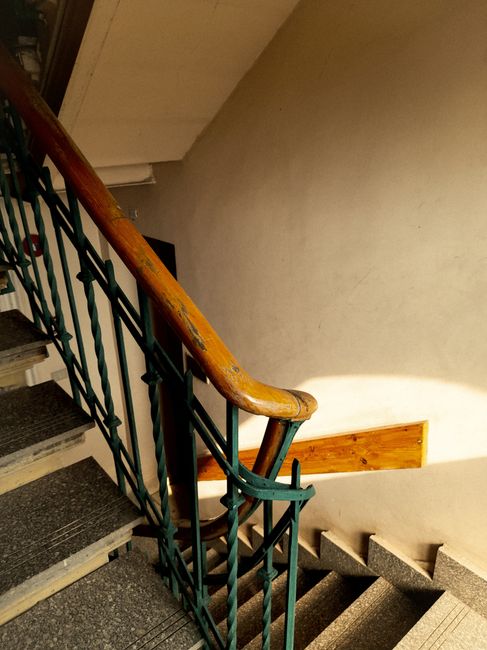
Tight staircases in Cranham flats: safe removal solutions
Posted on 30/07/2026
Moving out of a flat is rarely simple, and when the staircase is narrow, steep, or awkwardly turned, the whole job can feel ten times harder. In Cranham, many flats and converted properties have staircases that leave very little room for bulky furniture, careful footing, or last-minute mistakes. That is exactly where Tight staircases in Cranham flats: safe removal solutions matter most.
This guide walks you through how to move safely through cramped communal stairs, tight landings, and awkward corners without turning moving day into a scratched-wall, strained-back kind of disaster. You will find practical planning advice, step-by-step handling tips, common mistakes, and a few realistic options for when the item simply will not fit the staircase, no matter how nicely you ask it to. Let's face it, sometimes a sofa is just too committed to being difficult.
If you are already planning a flat move, it can also help to read up on flat removals in Cranham and the wider advice in mastering the art of moving house stress-free. Those guides sit nicely alongside the advice below, especially if you are trying to keep the whole process calm and organised.
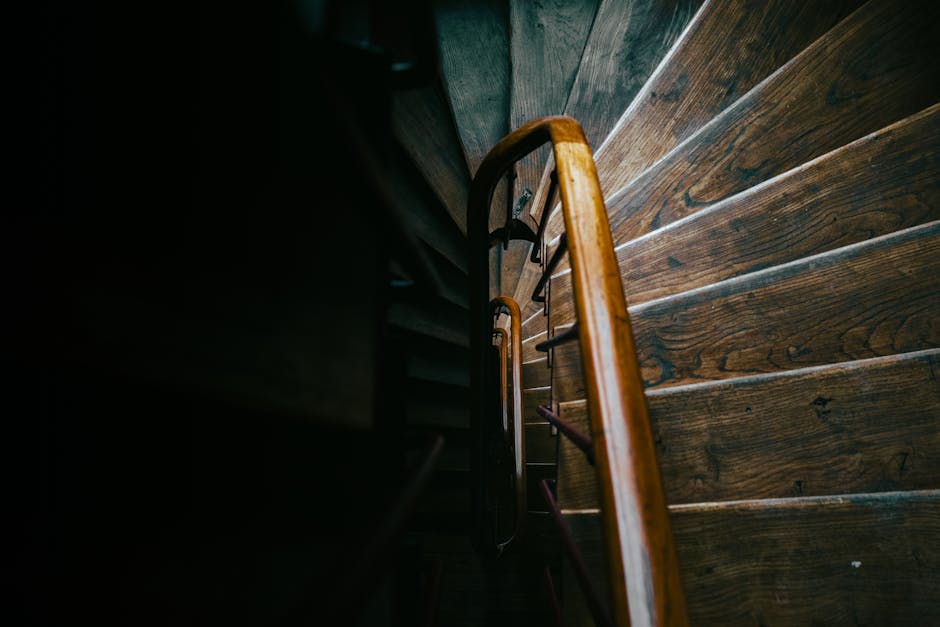
Why Tight staircases in Cranham flats: safe removal solutions Matters
Tight staircases are not just an inconvenience. They shape the whole move. A sofa that would glide out of a house with a wide hallway can become a frozen point of tension on the second bend of a flat staircase. A mattress can catch on a bannister. A washing machine can feel heavier on the stairs than it did in the kitchen. That is usually where rushed decisions happen.
The risk is not only damage to the item. Narrow stairwells can also cause chipped plaster, dented paintwork, strained shoulders, scuffed floors, and awkward pauses that leave everyone sweating under the pressure. In a Cranham flat, the staircase might also be shared, so timing, consideration for neighbours, and quiet handling matter too. You are not just moving furniture. You are navigating a space with real limits.
There is also the simple fact that a tight staircase changes the best method. What works for a straight, roomy staircase in a house may be wrong for a spiral landing, a half-turn, or a corridor that narrows near the top. Good removal planning starts with respecting the staircase, not fighting it.
For that reason, safe removal solutions are about more than strength. They are about measurement, sequencing, communication, protective materials, and sometimes choosing a different route altogether. In our experience, the most successful moves are rarely the most dramatic ones. They are the well-prepared ones.
How Tight staircases in Cranham flats: safe removal solutions Works
The process begins before anyone lifts a single box. First, the staircase and the furniture need to be assessed together. That means checking the width of the stairwell, the height and depth of each landing, the turning space at corners, the shape of the item, and any obstacles such as light fittings, banisters, radiators, or low ceilings.
Once the fit is understood, safe removal is usually built around one of four approaches:
- Standard carry-through for smaller items that can be angled cleanly through the staircase.
- Two-person controlled lifting for heavier loads that need balance and steady movement.
- Partial dismantling for beds, wardrobes, tables, or anything with removable parts.
- Alternative exit route if the staircase is too tight and another option is safer.
A careful team will also think about load distribution. Heavy items need to be carried in a way that keeps the centre of gravity under control. That sounds technical, but in plain English it means the item should feel stable rather than wobbling or tipping at every step. A little wobble on a wide stair can become a proper problem on a narrow one.
Protective measures matter too. Stair runners, floor coverings, corner guards, moving blankets, and tape used in the right places can make the difference between a smooth exit and a messy scrape. If you have ever heard that soft thud of a table leg brushing a wall, you will know exactly what I mean.
For the handling side, useful background is available in exploring the principles behind kinetic lifting and a solo guide to heavy object lifting. Even if you are not lifting alone, those articles explain movement, leverage, and body positioning in a way that makes the staircase job easier to picture.
Key Benefits and Practical Advantages
The big benefit is obvious: fewer accidents. But the real value goes deeper than that. A good safe-removal approach can save time, reduce stress, and prevent the awkward slowdown that happens when everybody stands around trying to work out whether the sofa should go forward, back, or sideways. Again. Yes, again.
- Less risk of property damage: walls, bannisters, doors, and floors stay better protected.
- Lower chance of personal injury: controlled movement reduces twisting, overreaching, and sudden strain.
- Better time management: the move is less likely to stall at the staircase.
- More confidence on the day: when the plan is clear, everyone works with a bit more calm.
- Better outcome for awkward items: large sofas, wardrobes, mattresses, and white goods are handled in a more sensible way.
There is also a quieter benefit: neighbours notice when a move is handled properly. You are less likely to create a commotion in the stairwell or leave scuffed marks in a communal area. That may sound minor, but in a flat block it goes a long way.
If you are trying to reduce the number of items that even need to come down the stairs, decluttering before moving can make a surprisingly large difference. Fewer items means fewer awkward turns and fewer things to carry while balancing on a landing.
Who This Is For and When It Makes Sense
This topic matters to anyone moving out of a Cranham flat with a staircase that feels less like a staircase and more like a test of engineering. That said, some situations call for safe removal planning more than others.
- Residents in upper-floor flats with narrow staircases or turns at each landing.
- Tenants moving out at speed who need a reliable plan and cannot afford delays.
- People with bulky furniture such as beds, wardrobes, sofas, or exercise equipment.
- Students or first-time movers who may underestimate how tight a staircase can feel once boxes start stacking up.
- Anyone handling delicate or expensive items that should not be bounced or forced.
- Move-outs with neighbour sensitivity where noise and shared access need to be kept under control.
It also makes sense if you are deciding between a lighter moving setup and something more robust. For many flat moves, the difference between a smoother day and a miserable one comes down to whether the team has planned for stair access properly. If you are weighing options, the comparison in man and van versus full removal in Cranham can help you think it through in practical terms.
Truth be told, some moves are fine with careful DIY. Others are not. A narrow staircase tends to expose the difference very quickly.
Step-by-Step Guidance
Here is the clearest way to approach a tight-staircase move without turning it into a panic session.
- Measure the item and the staircase. Measure width, height, depth, and turning space. Do not guess. Guessing is how wardrobes become "almost fitting" for twenty minutes.
- Decide what can be dismantled. Remove legs, shelves, headboards, drawers, doors, and loose fittings where appropriate.
- Clear the route fully. Take away shoes, mats, small tables, wall hooks, and anything else that may snag feet or hands.
- Protect the property. Use covers on floors, blankets over vulnerable edges, and corner protection where needed.
- Assign clear roles. One person leads, one supports, and both know when to stop. Quiet counting helps. So does not talking over each other.
- Test the movement angle. Before committing, check whether the item needs to be tilted, rotated, or carried upright.
- Lift with controlled posture. Keep the load close, avoid sudden twists, and move one step at a time.
- Pause at landings. Use landings as rest points and reposition carefully before the next turn.
- Stop if the fit becomes unsafe. If the item starts forcing the walls or blocking vision, change the plan.
- Finish with a clean exit. Check walls, floors, and stair surfaces before leaving the building.
That last point matters more than people think. It is much easier to spot a small scrape immediately than to have it pointed out later by a neighbour who noticed it at 9pm.
Expert Tips for Better Results
There are a few habits that make narrow-stair moves much safer, and most of them are simple. Not easy, necessarily. Simple, yes.
Tip 1: Start early in the day. Good light helps with corners, step edges, and low clearance. It also gives you more breathing room if an item needs dismantling after all.
Tip 2: Wrap awkward edges first. A sofa arm, bed frame corner, or table leg is often the first thing to hit a wall. Protect the edges before the move starts, not after the first bump.
Tip 3: Keep communication short and clear. Use simple instructions like "stop," "lift," "tilt," and "hold." Long explanations on a staircase are not ideal. Nobody wants a committee meeting on the landing.
Tip 4: Use the staircase shape to your advantage. Sometimes the best line is not straight up the middle. An angled carry may create the extra room you need at a corner.
Tip 5: Move fewer items at once. It is tempting to save time by combining loads. In a tight stairwell, that usually costs time later.
Tip 6: Have a backup plan. If the item will not go safely, know in advance whether it can go through an alternative route, into temporary storage, or be taken apart further.
Tip 7: Watch your grip and footwear. Solid shoes, dry hands, and a secure hold matter more than people admit. Slippery soles on stair edges are a horrible combination.
If a piece is particularly valuable, take a moment to think about specialist handling. For example, a piano or similar awkward heavy item is not the place to improvise; moving a piano yourself is a risk you should not take explains why that sort of item deserves extra caution.

Common Mistakes to Avoid
The biggest mistakes are usually not dramatic. They are just small, rushed decisions that stack up.
- Forcing an item through a space that is too tight. If you have to shove, it is probably the wrong fit.
- Skipping measurements. "It should be fine" is not a measurement.
- Underestimating the landing turn. Many items fail at the corner, not on the straight run.
- Leaving the route cluttered. Even a small obstruction can upset the balance.
- Using too few people for a heavy item. Solo lifting can be manageable for some objects, but not when stairs and turns are involved.
- Ignoring fatigue. Tired arms make clumsy feet. Clumsy feet on stairs are not ideal.
- Not checking building rules or access windows. Shared flats often have time limits, lift rules, or loading restrictions.
- Using weak packing materials. Flimsy boxes and loose wrapping can fail right when you need them most.
There is one more mistake worth calling out: not planning for what happens if the item gets stuck halfway. That is when people get flustered and start bending bodies in unnatural ways. Bad idea. Step back, breathe, and change the method instead of wrestling the furniture like it owes you money.
Tools, Resources and Recommendations
You do not need a van full of specialist kit for every flat move, but a few practical tools make tight staircases much easier to manage.
- Furniture blankets: help protect walls, bannisters, and item edges.
- Straps or lifting grips: useful for distributing weight more evenly.
- Gloves with a secure grip: help keep hold of smooth or bulky surfaces.
- Corner and floor protection: good for communal stairwells and painted edges.
- Basic dismantling tools: screwdrivers, Allen keys, and small labelled bags for fixings.
- Strong tape and stretch wrap: useful for securing loose parts and keeping drawers shut.
- Measured labels: especially helpful if pieces are being separated and rebuilt later.
For packing support, packing and boxes in Cranham is a sensible place to start, and stress-free packing tips can help you avoid overfilled boxes that become awkward on stairs.
If storage is part of the plan, maybe because the new place is not ready yet or one large item simply needs to stay out of the way, storage in Cranham can be a useful fallback. That can reduce pressure on moving day, which is often when mistakes happen.
Law, Compliance, Standards and Best Practice
For most household moves, the main concern is not a complex legal rulebook. It is sensible practice, care for property, and following safe manual handling habits. In the UK, the broad expectation is that people handling heavy items should avoid unsafe lifting, avoid preventable risk, and take reasonable steps to protect themselves and others.
In practical terms, this means:
- using appropriate lifting methods rather than trying to muscle everything through;
- planning shared access in blocks and flats with consideration for neighbours;
- keeping communal stairwells clear while items are being moved;
- avoiding damage to the building fabric, floors, and fixtures;
- working within any building access arrangements or move-out conditions;
- using insured and safety-minded handling where the job is complex.
If you want a clearer sense of a mover's approach to risk and protection, the company's health and safety policy and insurance and safety information are sensible documents to review. For a broader service overview, the services overview can also help you understand what kind of support is available.
It is also worth keeping an eye on building-specific access arrangements. Some flats have stricter move-out windows than people expect, and a quick chat with the managing agent can prevent a lot of friction. Not glamorous, but very useful.
Options, Methods, or Comparison Table
Different staircases call for different solutions. The best one depends on the item, the space, and how much risk you are prepared to take on.
| Method | Best for | Pros | Limits |
|---|---|---|---|
| Careful DIY carry | Light boxes, small furniture, straightforward stairs | Low cost, fast for simple loads | Higher risk on tight turns or heavy items |
| Two-person manual move | Medium to heavy furniture with manageable dimensions | Better control, shared weight, more stability | Still difficult on very narrow landings |
| Partial dismantling | Wardrobes, bed frames, tables, sofas with removable parts | Improves fit, reduces snagging, safer handling | Takes time and may require tools |
| Specialist removal approach | Large, valuable, awkward, or fragile items | Better planning, safer handling, less damage risk | May cost more and need booking |
In many Cranham flats, the right answer is a mix of these. A wardrobe might be dismantled, a mattress carried with care, and smaller boxes moved separately. That blended approach often works better than trying to treat every item the same.
Case Study or Real-World Example
Picture a typical move from a top-floor Cranham flat. The route down the stairs includes one sharp turn, a narrow landing, and a communal hallway with a low ceiling on one side. The biggest challenge is a three-seat sofa that looked perfectly reasonable in the lounge but suddenly seems enormous when faced with the staircase.
Instead of forcing it through upright, the movers first measured the sofa height against the stairwell clearance and checked whether the feet could be removed. They wrapped the corners, removed loose cushions, and protected the wall edge at the turn. One person led from the bottom, the other controlled the rear and called each movement clearly. They paused on the landing, changed the angle slightly, and carried the sofa out without marking the wall.
The difference was not muscle. It was sequence.
That kind of move often feels boring while it is happening. Quiet. A bit slow. But boring is good here. Boring means controlled, and controlled is what you want when a narrow staircase is trying its best to make life awkward.
A similar approach works for beds and mattresses too. If you are moving one soon, this bed and mattress guide is worth a look, especially when stairs are the main obstacle.
Practical Checklist
Use this before the move starts. It keeps the day much calmer.
- Measure the furniture and the staircase.
- Check the tightest corners and smallest landings.
- Decide which items can be dismantled.
- Clear the stair route completely.
- Protect floors, walls, corners, and bannisters.
- Pack loose parts and fixings in labelled bags.
- Wear sturdy footwear with a solid grip.
- Assign one person to lead and one to support each item.
- Move slowly at turns and landings.
- Stop and reassess if the item starts forcing the space.
- Plan a backup route or storage option if needed.
- Confirm building access times and any move-out rules.
Quick practical reminder: if a piece of furniture only fits when you "push it a bit," that is usually your sign to stop and rethink. The staircase is telling you something. Listen to it.
Conclusion
Tight staircases in Cranham flats demand patience, planning, and a very honest look at what will and will not fit. The safest removal solutions are rarely flashy. They are measured, careful, and built around the staircase rather than against it. That approach protects your furniture, your walls, your neighbours, and your own back. Which is a decent list, to be fair.
Whether you are moving a sofa, a bed, a wardrobe, or just a stack of boxes that somehow grew overnight, the same principle applies: measure, prepare, protect, and do not force the issue. If the staircase is too tight, choose a different method before the move becomes a problem.
If you are planning a flat move and want a more structured approach, it helps to review removals in Cranham, look over pricing and quotes, and make a sensible decision based on the actual access you have, not the access you hope you have.
Get a free quote today and see how much you can save.
Sometimes the best move is the one that feels calm all the way down the stairs.