Havering Council parking permits for Cranham removals
Posted on 06/05/2026
Havering Council parking permits for Cranham removals: a practical local guide
If you are moving in Cranham, parking is rarely a small detail. It can be the difference between a calm, tidy move and a morning spent circling the block while a van idles half a street away. That is exactly why Havering Council parking permits for Cranham removals matter. Whether you are moving from a flat near the busier road sections, handling a family house move, or unloading a heavy sofa on a narrow residential street, the right parking setup helps everything run more smoothly.
This guide explains the local parking permit question in plain English. You will learn why it matters, how it usually works, what to check before moving day, and how to avoid the common mistakes that cause delay, stress, and sometimes unwanted fines. You will also find a practical checklist, a simple comparison of options, and a real-world example drawn from the kind of moving day situation that comes up all the time in Cranham. No drama, no fluff. Just useful local guidance.
Why Havering Council parking permits for Cranham removals Matters
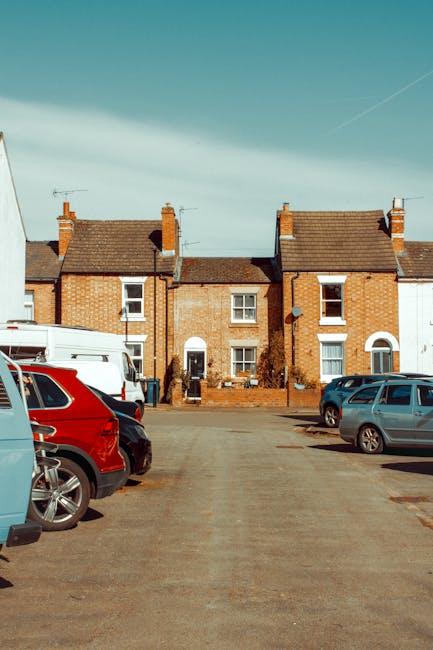
Parking for removals is not just a convenience issue. In a place like Cranham, access can be tight, driveways can be narrow or already occupied, and some streets simply do not have enough unrestricted space for a removal van to stand safely for long. If the van is parked too far away, every box has to be carried further. That sounds minor until you are doing it for an hour in drizzle, with a wardrobe, a mattress, and a fridge in the mix. Suddenly it is a very different story.
For many moves, the parking plan has a direct effect on:
- how quickly the load and unload can happen
- how far your belongings must be carried
- whether the van can legally stop near the property
- the chance of delays caused by traffic or enforcement
- the physical strain on everyone helping
There is also the practical side. If the street is controlled, or if you are moving into a road with limited waiting space, a permit or dispensation can help you avoid the awkward, last-minute scramble. And in moving work, awkward usually becomes expensive. To be fair, that is not something anyone wants on an already busy day.
If you are planning a larger move, it is worth pairing your parking plan with other prep work too. A calm move usually starts earlier than people expect. Resources like mastering the art of moving house stress-free and essential tips for stress-free packing when you move can help you think about the wider picture, not just the van outside.
How Havering Council parking permits for Cranham removals Works
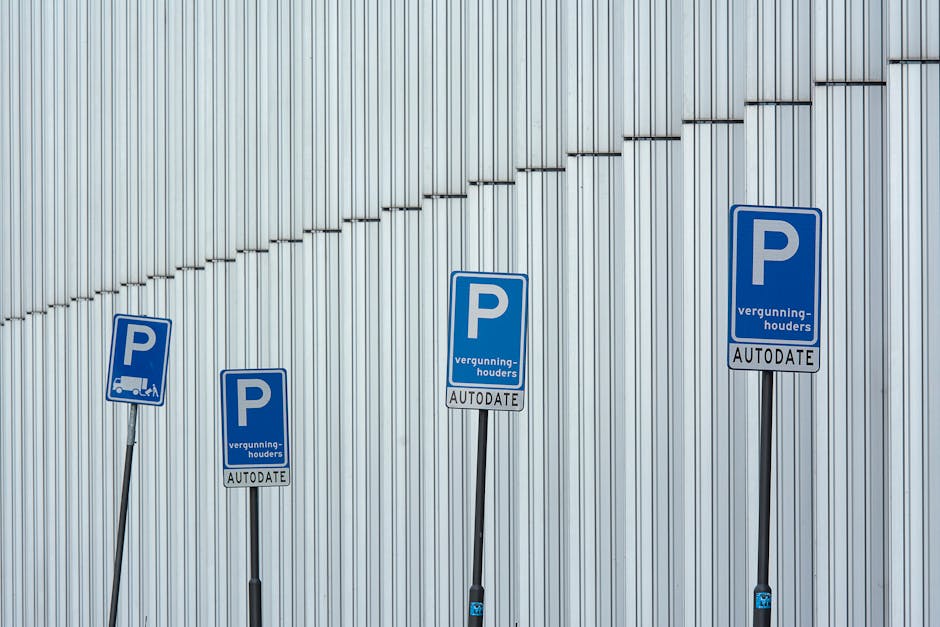
The exact process can vary depending on the type of road, the time of day, and whether the property sits within a controlled parking zone or another restricted area. The key idea is simple: if a removals vehicle needs to park in a space that is normally restricted, you may need permission or a permit arrangement in advance. Sometimes that permission is handled directly by the council; sometimes it may involve temporary loading access, a dispensations process, or another route depending on local rules.
The safest approach is to assume nothing. Check the road, check the signs, and check the council guidance early. If you wait until the morning of the move, you are already late.
In practice, the process usually involves a few common steps:
- Identify the exact address and road where the van will need to stop.
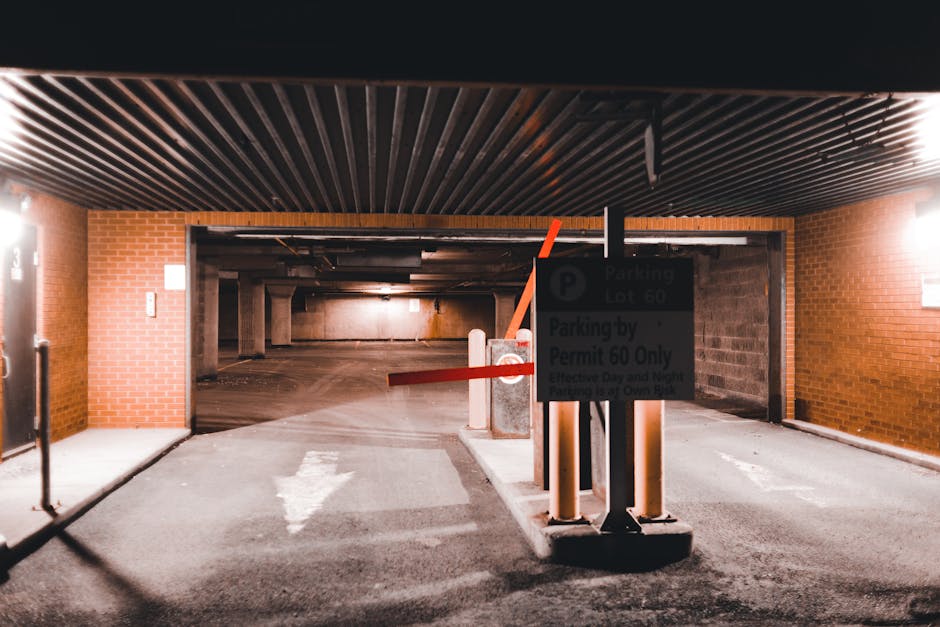
- Check whether the street is controlled, limited, suspended, or permit-only.
- Confirm whether a removals vehicle is treated differently from a resident's vehicle.
- Allow enough time for any application or approval process.
- Make sure the permit, reference number, or confirmation is available on moving day.
One important clarification: a removals company may know the local parking pattern, but the responsibility for permissions is not always automatically theirs. Sometimes the customer arranges the permit, sometimes the mover does it as part of the service, and sometimes both sides need to coordinate. A clear conversation early on saves a lot of back-and-forth later.
For a more local moving-day perspective, the Cranham RM14 moving-day guide for narrow streets is a helpful companion read if your property sits on a tighter road or access is awkward.
Key Benefits and Practical Advantages
Good parking planning is one of those things people only notice when it goes wrong. When it goes right, the whole day feels calmer. And that is the point.
Here are the main benefits of sorting parking properly before a Cranham move:
- Less carrying distance: A van close to the door means fewer steps for every item.
- Faster turnaround: Loading and unloading can be done more efficiently.
- Reduced damage risk: Fewer trips usually means fewer chances to bump walls, scuff furniture, or drop smaller items.
- Lower stress: You are not juggling traffic, parking worries, and packing chaos all at once.
- Better safety: Heavy lifting becomes more manageable when the route is shorter and clearer.
There is another advantage that people sometimes overlook: better teamwork. If the van is parked in the right place, the mover can create a rhythm. Boxes move, furniture moves, everyone knows where to stand, and you get that satisfying sense that the day is actually progressing. Small thing, but it helps.
It also supports the rest of the move. If you are using removal services in Cranham, or booking a more tailored option such as house removals in Cranham, local parking planning helps the service run as intended. The same goes for flat removals in Cranham, where access can be more sensitive because of stairwells, shared entrances, or limited kerb space.
Who This Is For and When It Makes Sense
Not every move needs the same level of parking preparation, but a permit or local parking arrangement becomes especially useful in a few situations.
When the property is on a restricted street
If the road is permit-only, time-limited, or controlled during certain hours, a removals vehicle may not be able to stop legally without advance planning. That is especially relevant in residential streets where kerbside space is already tight.
When you are moving from a flat or upstairs property
Flats often mean longer carry distances, shared access, and more chance of blocking someone else's parking if you are not careful. In these cases, parking becomes part of the access plan, not an afterthought.
When you have bulky or heavy items
Moving a piano, a large sofa, a freezer, or a bed is far easier if the van can sit close to the entrance. If your move includes anything awkward or weighty, think parking early. It ties directly into safe lifting and sensible handling. Related reading like why moving a piano yourself is a risk you shouldn't take and the step-by-step guide to moving your bed and mattress can help you plan item-by-item.
When time is tight
If you are on a same-day schedule, or if keys are being handed over under pressure, parking delays can snowball quickly. For those moves, same-day removals in Cranham are much smoother when access has already been thought through.
Sometimes people ask, do I really need to bother if it is "only a few streets away"? Truth be told, yes, often you do. Short local moves can be the trickiest for parking because everyone assumes it will be easy and then finds the opposite.
Step-by-Step Guidance
If you want a clean, practical way to handle parking for your move, use this sequence. It is simple, but it works.
- Check the property location early. Look at the exact street, not just the postcode. A single side road can have different restrictions.
- Read the signs on street view or in person. Controlled parking zones, loading restrictions, yellow lines, and shared bays all matter.
- Measure the likely stop point. Think about where the van could safely park without blocking driveways, junctions, or access routes.
- Ask the mover what they need. A removal van, a man and van, or a larger house move may have very different access needs. If you are comparing service levels, the pages on man with a van in Cranham and man and van services in Cranham are useful for understanding how flexible the vehicle setup may be.
- Confirm whether a permit is needed. Do this before booking if possible, or at least before the move date gets close.
- Build in a time buffer. If parking approval or confirmation takes longer than expected, you will be glad you started early.
- Prepare the address details and contact numbers. Keep everything handy on move day. No one enjoys searching through a glove box while the kettle, the keys, and the cat are all waiting.
- Share the final parking plan with everyone involved. If family, friends, or helpers are arriving, let them know where to stand and where not to park.
For larger moves, combine the parking plan with packing discipline and decluttering. A lighter load is simply easier to move. The articles on decluttering before moving and cleaning before moving out can help you create more breathing room before the van even arrives.
Expert Tips for Better Results
Here is where a little local experience helps.
1. Think in terms of access, not just parking. A permit is useful, but it is only part of the job. You also need clear doors, a sensible route to the van, and enough space to turn with boxes or furniture. A "legal" park can still be a bad park if it creates a long carry.
2. Use the quietest practical window. If you have flexibility, a less busy part of the day can make loading easier. Morning moves often feel calmer, though not always. Every street has its own rhythm.
3. Protect the route. Door frames, corners, and stair edges take the punishment. Use blankets, shrink wrap, or simple padding where needed. The difference is noticeable, especially with heavier furniture.
4. Break the move into zones. Keep items near the front door ready to go, and leave awkward pieces until the route is clear. That sounds obvious, but on moving day obvious things are exactly what get forgotten.
5. Match the vehicle to the access. Sometimes a smaller removal van is more practical than a larger one if street space is limited. That may not sound glamorous, but it often makes the day easier.
6. Keep key documents accessible. If parking confirmation, booking notes, or instructions are needed, do not bury them in a box marked "misc." That box is never useful when you need it, is it?
If you are trying to reduce lifting strain as well, it is worth reading exploring the principles behind kinetic lifting and the solo guide to heavy object lifting. They are not parking guides, of course, but they do fit neatly into the broader picture of a safer move.
Common Mistakes to Avoid
A lot of moving-day problems come from small oversights, not big disasters. The good news is that most of them are easy to avoid.
- Leaving parking checks until the day before. Some arrangements need notice, and some streets are less forgiving than they look.
- Assuming a removals van can stop anywhere. It usually cannot, especially in controlled areas or where the road layout is tight.
- Forgetting the return trip. You may need the space again for unloading at the new address. People often plan one side and forget the other.
- Blocking neighbours or driveways. That creates tension fast. And once you have irritated a neighbour before 8 a.m., the rest of the day has a funny energy.
- Not checking item size against access. A big sofa may need a wider loading position than a stack of boxes would.
- Ignoring weather. A wet morning, a windy corner, or a dark winter afternoon changes how long loading takes. Small delay, big impact.
Another common mistake is treating parking as the sole problem and not the start of the logistics chain. Once access is sorted, the packing, lifting, and timing decisions fall into place much more easily. If the move also involves storage, have a look at storage in Cranham and keeping your sofa safe during long-term storage so the whole move stays joined up.
Tools, Resources and Recommendations
You do not need a complicated toolkit to manage parking and removals well, but a few simple resources make life easier.
- Street maps and address checkers: Useful for confirming the exact road layout before booking.
- Permit notes or confirmation emails: Keep these easy to access on your phone.
- Measuring tape: Handy for checking whether larger furniture will clear hallways and doorways.
- Furniture blankets and straps: Important for protecting items during the shorter carry from van to property.
- Marker pens and labels: Good packing practice supports faster unloading once the van is parked.
From a service point of view, it helps to work with a removals team that understands local access issues and can advise you sensibly. The pages on removal vans in Cranham, furniture removals in Cranham, and packing and boxes in Cranham are useful touchpoints when you are assembling the bigger moving plan.
If you want a broader overview of what is available, start with the services overview and then look at the specific service that matches your situation. That keeps the decision-making much simpler.
Law, Compliance, Standards, or Best Practice
Parking permissions and road access in the UK are generally governed by local authority rules, road signage, and any relevant traffic restrictions in place on the street. Because those rules can differ by location and can change over time, it is sensible to rely on current council guidance rather than old assumptions or advice from a neighbour who moved three years ago.
For Cranham removals, the best practice is straightforward:
- check the current parking restrictions for the exact road
- confirm whether loading, unloading, or temporary stopping is allowed
- apply in good time where a permit or dispensation is needed
- keep any approval details available on the day
- avoid blocking access or creating a hazard for other road users
Good moving practice also overlaps with safety and insurance. If something goes wrong because access was not planned properly, the delay can affect handling, timing, and risk. That is one reason it is wise to review insurance and safety information alongside your parking plan, especially for larger or more delicate moves.
There is a common-sense standard here as much as a regulatory one: park legally, keep access clear, communicate clearly, and plan early. That usually covers most of the pain points before they even appear.
Options, Methods, or Comparison Table
Not every move needs the same parking approach. Here is a simple comparison to help you choose a sensible route.
| Option | Best for | Pros | Watch-outs |
|---|---|---|---|
| Pre-arranged council permit or dispensation | Restricted streets, permit zones, planned moves | Clearer legal access, smoother loading, fewer surprises | May need notice and correct paperwork |
| Informal loading stop where permitted | Short, low-risk moves in less restricted streets | Simple and quick | Must still follow the rules exactly |
| Smaller vehicle with closer access | Narrow roads, tight estates, flats | More manoeuvrable, easier parking | May require more trips if the load is large |
| Parking farther away | When no closer option is available | Sometimes the only practical choice | More carrying, more time, more strain |
In many Cranham jobs, the best answer is a mix of two things: the right vehicle and the right parking arrangement. If you are comparing move types, the difference between house removals, flat removals, and student removals can matter quite a bit, because access and load size vary more than people expect.
Case Study or Real-World Example
Picture a typical Cranham move on a Friday morning. The home is in a residential street with limited on-street space. There is a sofa in the lounge, a bed upstairs, several heavy boxes, and a freezer that needs careful handling. The family assumes the van can stop outside for a while, but by 9 a.m. the road is already active with residents coming and going. Not a disaster, but definitely tighter than expected.
Because the parking plan was checked in advance, the mover knows where to stand and how long the stop can last. The family has already boxed and labelled the rooms, and the heavier items are grouped together. A small buffer in the schedule means there is no panic if unloading takes a little longer than expected. The result is simple: the move stays controlled, nobody is rushing, and nothing gets dragged half a street on a wet kerb.
That is the real point of getting parking right. It does not just help the van. It helps the whole day behave.
If the move had involved awkward furniture or specialist items, the same planning would have mattered even more. Guides like moving a piano safely and moving a bed and mattress show why access and handling need to be thought about together, not separately.
Practical Checklist
Use this checklist a few days before the move, then again the evening before. A quick double-check now is much easier than a scramble later.
- Confirm the exact moving address and road
- Check whether the street has parking restrictions or controlled hours
- Decide whether a permit, dispensation, or loading arrangement is needed
- Tell the removals team about access issues, steps, narrow entrances, or shared bays
- Prepare permit details or confirmation messages for the day
- Measure any awkward furniture and note which items need extra care
- Pack a small essentials bag for documents, keys, chargers, and any final paperwork
- Protect the route inside the home with blankets or padding if needed
- Keep neighbours informed if the van may partially affect shared space
- Check the weather and allow a bit of extra time if rain or wind is forecast
If you are still decluttering or choosing what to keep, it may also help to revisit decluttering before moving. Less stuff means less to carry, less to organise, and usually less parking pressure too.
Conclusion
Havering Council parking permits for Cranham removals are not glamorous, but they are one of the most practical parts of a successful local move. When parking is handled early and sensibly, the rest of the process becomes easier: fewer delays, fewer carrying problems, lower stress, and a much better chance of keeping the day on track.
The best moves in Cranham tend to share the same traits. They are planned a little earlier than expected, the access is checked properly, and everyone knows the van needs space to work. Nothing fancy. Just good preparation, done at the right time.
If you are getting ready to move and want the job to feel more controlled from the start, talk through access, parking, and vehicle size before the first box is sealed. A small bit of planning now can save a proper headache later. And honestly, that is usually the smartest bargain of the whole move.
Get a free quote today and see how much you can save.
For friendly local help, explore the full range of moving support from removals in Cranham to pricing and quotes, and make the next step a straightforward one.