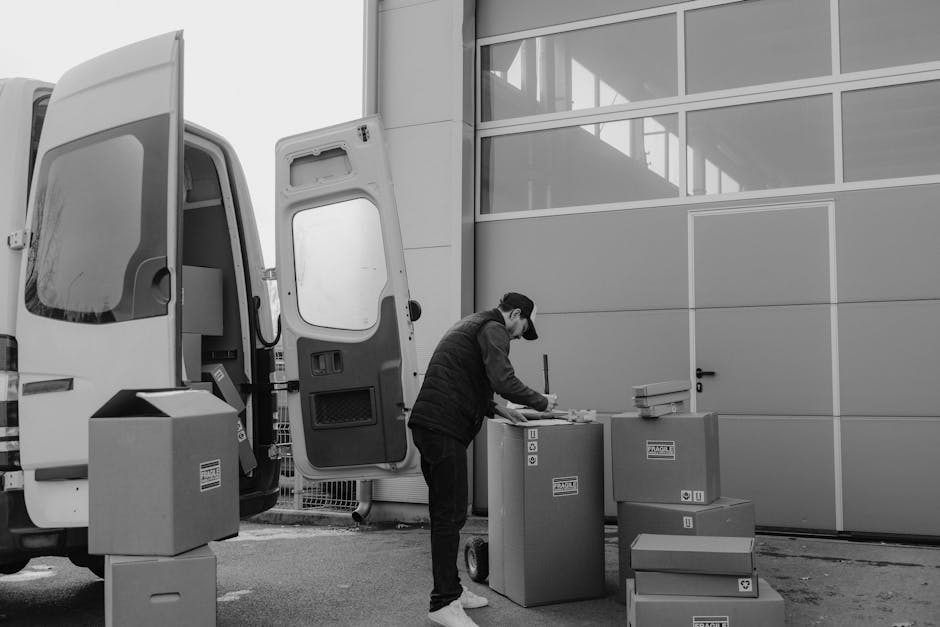
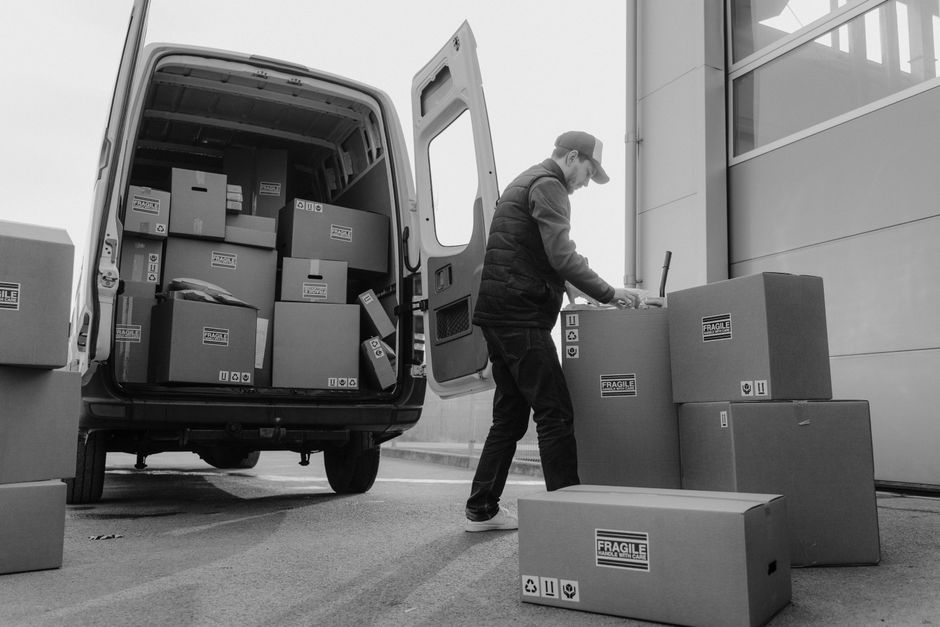
RM14 man with van parking and unloading tips
If you are arranging a move in RM14, the parking side of the job can make the whole day feel easy or turn it into a frustrating queue of small problems. That is especially true with a man with van booking, where the vehicle is often larger than a regular car but smaller than a full removals lorry, and every minute spent circling for space means more lifting, more stress, and a higher chance of someone getting grumpy before noon. These RM14 man with van parking and unloading tips are written for real moving days in Cranham and the surrounding area, where narrow streets, neighbour access, and awkward driveways can matter just as much as the boxes themselves.
In this guide, you will find practical advice on how parking works, how unloading should be handled, what to do before the van arrives, and the little details that save time. We will also cover common mistakes, useful tools, compliance points, and a realistic example from a local-style move. Truth be told, a well-planned parking spot can do more for your move than another three rolls of tape.
Table of Contents
- Why RM14 man with van parking and unloading tips Matters
- How RM14 man with van parking and unloading tips Works
- Key Benefits and Practical Advantages
- Who This Is For and When It Makes Sense
- Step-by-Step Guidance
- Expert Tips for Better Results
- Common Mistakes to Avoid
- Tools, Resources and Recommendations
- Law, Compliance, Standards, or Best Practice
- Options, Methods, or Comparison Table
- Case Study or Real-World Example
- Practical Checklist
- Conclusion
- Frequently Asked Questions
Why RM14 man with van parking and unloading tips Matters
Parking is not just a background detail. In a man and van move, it is part of the job itself. If the vehicle can stop close to the property, unloading is faster, safer, and usually cheaper in practice because the team spends less time walking heavy items up and down the pavement. If parking is awkward, the day becomes more tiring very quickly. You notice it in the first few minutes: the lift feels longer, the route from van to front door is clunkier, and small mistakes start creeping in.
RM14 areas can be straightforward in some streets and a pain in others. A quiet cul-de-sac with room to pull in is one thing; a narrow residential road with busy school-run traffic is another. The point of good parking and unloading planning is simple: reduce friction. That means fewer double-handling trips, less risk of damage, and a smoother experience for everyone involved.
It also matters because moving days rarely go exactly to plan. There may be a neighbour's car outside the house, a delivery van blocking part of the street, or a driveway that looks fine until you realise it is too tight for a sensible turn. That is why experienced movers think about the parking layout before they think about the sofa. Sensible, not glamorous. But absolutely worth it.
How RM14 man with van parking and unloading tips Works
The basic process is usually simple: the van arrives as close as legally and safely possible, the driver assesses the space, and items are unloaded in an organised order. Yet there is a bit more to it than just opening the rear doors. Good parking and unloading is a blend of timing, access, communication, and common sense.
In a typical RM14 move, the driver may need to consider:
- whether there is legal parking directly outside the property
- if loading or unloading bays are available nearby
- how much kerb space is needed to open doors safely
- whether the pavement is wide enough for trolleys or carrying items
- how to avoid blocking traffic, gates, dropped kerbs, or neighbours
Unloading works best when the plan is set before the van even stops. Heavy or awkward items should come off first if they need two people, while fragile boxes and loose items should be kept together and clearly labelled. If you are moving into a flat, building access can matter as much as street parking, especially if there is no lift or the stairwell is tight. If that sounds familiar, a practical read through tight-staircase removal solutions can give you useful context before moving day.
There is also the human side of it. A mover who knows where to park, where to unload, and which item to bring in first tends to work faster and with fewer missteps. A mover guessing on the spot? Well, let's just say the day gets longer than it needed to be.
Key Benefits and Practical Advantages
Getting parking and unloading right gives you more than convenience. It changes the whole tone of the move.
- Less heavy carrying: Shorter walking distances reduce strain and save time.
- Lower damage risk: Fewer handovers and shorter carry routes mean fewer bumps and scrapes.
- Better safety: Clear access makes it easier to see steps, curbs, wet patches, and door thresholds.
- Faster turnaround: A good unloading setup speeds up the entire move, especially with multiple stops.
- Less neighbour friction: A neat, lawful parking position is just friendlier all round.
There is a commercial benefit too. If you are comparing providers, a team that understands access planning often gives a more reliable service than one that only talks about van size and hourly rate. That is where a proper look at man with van services or broader removal services can help you judge what level of support you actually need.
And let's be honest, no one enjoys a move that feels like a loading dock drama. The best result is a quiet, steady one: van parked properly, doors open, items out, done. Not exciting. Very effective.
Who This Is For and When It Makes Sense
This guidance is useful if you are moving a flat, a house, a student room, or a small office space in RM14. It is also helpful if you are booking a same-day man and van, moving bulky furniture, or handling a short-notice transfer where there is little room for mistakes. If you have ever stood in the road, looking at a van and thinking, "Where on earth is this going to stop?", this section is for you.
It makes especially good sense for:
- local house moves with limited driveway space
- flat moves where access is through a shared entrance
- furniture pick-ups from a seller's home or storage unit
- office or small business moves with loading constraints
- moves involving heavy or awkward items like wardrobes, sofas, or appliances
If your move is larger or more complex, you may also want to compare whether a small team or a fuller service is better. A useful starting point is comparing man-and-van and full removal options, because parking pressure is only one part of the decision.
This topic matters most when time is tight, space is limited, or you are trying to avoid unnecessary lifting. In other words, quite a lot of real moves.
Step-by-Step Guidance
Here is a practical way to manage parking and unloading on moving day without overcomplicating it.
- Check the access before the day: Walk the route from street to door. Look for tight bends, low branches, narrow gates, slopes, or awkward corners.
- Identify the closest legal stopping point: Do not assume the front door space will be free. Think about where the van can stop without causing issues.
- Reserve or arrange space if needed: If your area requires permits, warnings, or neighbour coordination, deal with it early.
- Prepare the unloading path: Clear toys, bins, mats, loose cables, and anything else that could trip someone carrying a box.
- Group items by room: Label boxes clearly and keep furniture fittings together. It sounds basic, but it saves real time.
- Unload the awkward items first or plan their route first: Mattresses, large mirrors, and wardrobes are often easiest when dealt with early and deliberately.
- Use safe carrying methods: Bend at the knees, keep the load close, and use two people for anything bulky or unstable.
- Set items down in the correct room: If possible, avoid leaving everything in one pile in the hall. That hall pile grows like magic, and not in a good way.
A small but useful point: if the property has a loading bay, do not assume it is unrestricted. Some bays have time windows, height limits, or resident-only rules. The details vary, and that is exactly why a quick pre-check matters.
Also, if your move includes boxed-up fragile items or packing that you have not finished yet, a little structured support can help. Take a look at packing and unpacking services if you want a more organised approach rather than a last-minute scramble the night before.
Expert Tips for Better Results
These are the kinds of small improvements that save the day in real life.
1. Put the heaviest items closest to the property entrance. That way, the biggest lifting jobs are tackled while everyone is fresh. After an hour of carrying, even a simple chest of drawers feels oddly determined to be awkward.
2. Keep a "first off" pile by the van. Essentials like kettle boxes, bedding, chargers, and basic tools should be easy to find when you arrive. It is one of those tiny things people forget until they really need tea.
3. Photograph any parking restriction signs before you unload. This is not about being defensive; it is about having a clear record if you need to confirm the area conditions later.
4. Communicate the order of rooms. Say which room matters most first. If you are moving into a first-floor bedroom, the team should not have to guess whether the sofa goes there or into the lounge.
5. Protect door frames and floors where needed. Heavy furniture and sharp feet can mark paintwork quickly. A few minutes of protection can save a lot of irritation later.
6. Watch for weather and wet surfaces. A damp pavement or slick step is a small detail until someone is carrying a heavy box through it. Then it is very much not a small detail.
7. Keep the route clean and simple. If you have to move bins, bikes, or garden furniture, move them before the van arrives.
One more thing: if the move feels complicated, slow down a little and make the plan simpler. Most problems on moving day come from trying to do too much at once.
Common Mistakes to Avoid
Even well-organised moves can go sideways because of one overlooked detail. The good news is that most mistakes are easy to prevent.
- Assuming parking will be available: It might be. It might not. Always have a backup stopping point.
- Ignoring height or width limits: Some streets and entrances are tighter than they look from a quick drive-by.
- Leaving fragile items unlabelled: That creates confusion and increases the chance of damage.
- Blocking the unload route: Bikes, garden tools, and loose furniture can turn a smooth path into a slow one.
- Starting without a room plan: "Just put it anywhere" is rarely the right answer in a home full of boxes.
- Forgetting access for neighbours or shared areas: In flats and terraces, a little courtesy goes a long way.
One common issue in local moves is underestimating the effect of a narrow street. A van may fit, but that does not mean the doors can safely open while traffic flows around it. That is why some movers check route options in advance, including streets near the main property and any side access that might be easier.
If you are moving on a tight timetable, a guide such as this emergency removals checklist can help you think clearly under pressure, which is half the battle really.
Tools, Resources and Recommendations
You do not need a truckload of equipment to make a man with van move go well. A few sensible tools make a big difference.
- Furniture blankets: Useful for sofas, tables, wardrobes, and anything with corners or finishes that mark easily.
- Removal straps: Helpful for securing items and reducing movement in the van.
- Dolly or sack truck: Very handy for boxes, appliances, and heavier loads on flat ground.
- Gloves with grip: Better hold, less hand strain, fewer slips.
- Labels and marker pens: Simple, cheap, and surprisingly valuable.
- Door protectors or floor covers: Good for narrow access routes and homes with delicate surfaces.
If you are still choosing the right type of vehicle or service, look at the wording of the service pages carefully. A man with a van, moving van, or removal van can suit different jobs depending on what you are moving and how much access there is. Sometimes the best fit is not the biggest vehicle; it is the one that can park sensibly and unload without fuss.
A small practical note: if your move involves disposal as well as delivery, separate the items early. That helps avoid loading the van with things that are meant for recycling or collection only. It sounds obvious, but on a busy morning obvious things are the easiest to miss.
Law, Compliance, Standards, or Best Practice
Parking and unloading are not only about convenience. They are also about staying within local rules, avoiding obstruction, and keeping the move safe for pedestrians, drivers, and property.
In practice, that means checking for:
- local parking restrictions and permit requirements
- yellow lines, dropped kerbs, and marked loading spaces
- resident-only bays or time-limited parking areas
- shared access rules in flats, estates, or managed properties
- safe manual handling practices for heavy or awkward objects
It is best not to make assumptions about what is allowed on your street. Different roads, estates, and building types can have different rules, and moving vans are not automatically exempt from them. If you are unsure, check the property instructions, ask the building manager, or speak to the local authority guidance before the day.
From a safety point of view, the main principle is simple: do not create avoidable risk. Keep walkways clear. Use the right lifting technique. Avoid rushing through tight gaps. If something feels too heavy, too awkward, or too unstable, pause and reset rather than forcing it. That is normal good practice, not over-cautiousness.
For broader peace of mind, some customers also like to review provider information on items such as insurance and safety. If that matters to you, insurance and safety information and health and safety policy pages are worth reading before you book, because a careful mover should be comfortable explaining how they protect your belongings and the people doing the lifting.
Options, Methods, or Comparison Table
There are a few common ways to approach parking and unloading. The best one depends on the property, the load, and the amount of help available.
| Method | Best for | Pros | Watch-outs |
|---|---|---|---|
| Park directly outside | Short moves, clear roads, easier access | Fast unloading, less carrying, simple logistics | May not be legal or available at busy times |
| Park nearby and carry across | Narrow streets, permit zones, busy areas | Flexible, often easier to arrange | More walking, more time, greater strain |
| Use a loading bay or dedicated access point | Flats, commercial premises, managed buildings | Structured access, usually more orderly | May need time limits or prior approval |
| Split load into stages | Large moves or awkward furniture | Reduces congestion and confusion | Can take longer if items are not planned properly |
If you are comparing this with a broader home move, a more complete service may be worthwhile. On the other hand, for a small local move or a one-room job, a nimble van with good parking access is often the most practical choice. There is no prize for choosing the biggest option. Only for choosing the right one.
Case Study or Real-World Example
Picture a fairly typical RM14 moving day. A couple are leaving a two-bedroom terrace and moving a few streets away. They have a sofa, a bed base, a mattress, several boxes of books, kitchen items, and a heavy chest of drawers that always seems to get heavier every time someone looks at it.
They originally expected the van to park directly outside, but on the morning there is a delivery vehicle opposite and a neighbour's car at the kerb. Instead of waiting and hoping, the driver uses the closest legal space a little further along the road, then walks the route first to check the pavement and gate. The customers had already cleared the hallway and placed a note on the front door with the room order. That tiny bit of preparation made a real difference.
The heaviest pieces came out first, before the route got crowded with boxes. The mattress was kept upright and protected. One person stayed near the door to guide items into the right rooms while the other handled the van load. No drama, no damage, no awkward pile blocking the entrance. By the end, the couple were relieved in that quiet, exhausted way people get after a decent move. Not thrilled, exactly. Just properly glad it was done.
The lesson is simple: the move did not go perfectly, but the parking and unloading plan meant it still went smoothly. That is usually the real goal.
Practical Checklist
Use this checklist the day before and again just before the van arrives.
- Confirm the move time and address details
- Check where the van can legally stop
- Look for parking restrictions, permits, or time limits
- Clear the path from door to vehicle
- Label boxes by room and priority
- Separate fragile, heavy, and essential items
- Measure awkward furniture if access is tight
- Protect floors, door frames, and corners if needed
- Keep keys, documents, and valuables with you
- Prepare water, wipes, and basic tools for the first hour at the new place
- Make sure somebody can direct unloading on arrival
Expert summary: The best RM14 man with van moves are rarely the fastest because someone rushed them. They are fast because the parking was thought through, the unloading path was clear, and the essentials were easy to reach. Simple, but that is the point.
Conclusion
RM14 man with van parking and unloading tips are really about planning the few details that have the biggest effect. If the van can get close, the route is clear, and the unloading order makes sense, the whole move becomes calmer and more efficient. That matters whether you are moving a single sofa, a flat's worth of boxes, or a small business setup.
To be fair, most people do not think about parking until the van is already on the street. But the people who prepare it in advance usually end up with less stress, fewer delays, and fewer sore arms. And that is a pretty good trade.
If you are comparing services, checking access, or planning a local move in Cranham or the wider RM14 area, take a few minutes to get the parking plan right before anything else. It is one of those quiet little decisions that pays you back all day long.
Get a free quote today and see how much you can save.
Move steadily, keep the route clear, and give yourself one less thing to worry about. That alone can change the day.
Frequently Asked Questions
What does RM14 man with van parking and unloading tips actually mean?
It refers to practical advice for arranging a man with van move in the RM14 area, with a focus on where the vehicle should park and how items should be unloaded safely and efficiently.
Why is parking so important for a man with van move?
Because the closer and safer the parking, the less time is spent carrying items. That usually means less fatigue, lower risk of damage, and a smoother move overall.
Should I reserve parking before the van arrives?
If parking is likely to be tight, restricted, or shared, yes, it is wise to plan ahead. At the very least, identify a backup spot and check whether local rules or permissions apply.
What should I unload first?
Usually the heaviest or most awkward items, or any essentials you need immediately. Many people also like to unload boxes by room so the new place does not become one big pile at the front door.
How do I prepare a property for unloading?
Clear the path, remove tripping hazards, label rooms or boxes, and make sure someone can direct the move on arrival. Small prep work makes a big difference.
Can a man and van manage flats with narrow staircases?
Yes, often they can, but access needs to be checked carefully. Tight staircases usually mean slower lifting, extra protection for walls and corners, and more attention to safe carrying.
What if there is no space outside my home?
Then the van may need to park nearby and unload from a short distance. It is still workable, but it is better to plan for the extra carry rather than assume doorstep parking will be available.
Do I need special equipment for unloading?
Not always, but furniture blankets, straps, gloves, and a dolly can make the job much easier, especially for heavy or fragile items.
Is a man with van cheaper than a full removals service?
Often it can be, especially for smaller loads or shorter local moves. That said, the best value depends on the amount of furniture, access at both addresses, and how much help you need.
What are the most common moving-day mistakes?
Assuming parking will be easy, not checking access, leaving boxes unlabelled, and not planning the unloading order. These are small issues on paper, but they create delays very quickly.
How early should I think about parking for a move in RM14?
As early as possible. Even a quick walk around the street the day before can help you spot tight corners, likely parking pressures, and the best place for the van to stop.
Where can I learn more about choosing the right moving service?
It helps to compare vehicle size, access needs, and the amount you are moving. A look at local pages such as man with van removal or broader removals information can help you decide what fits best.