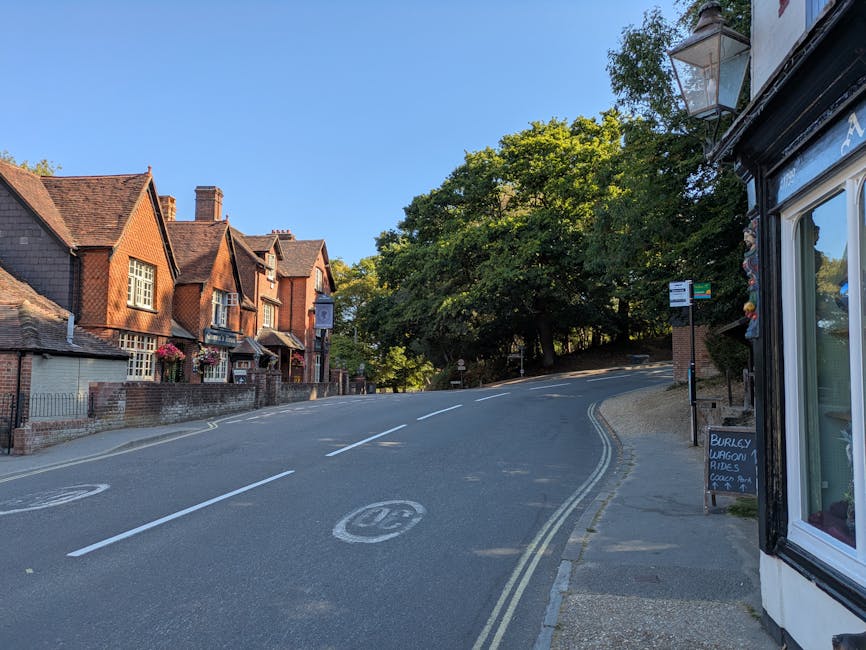
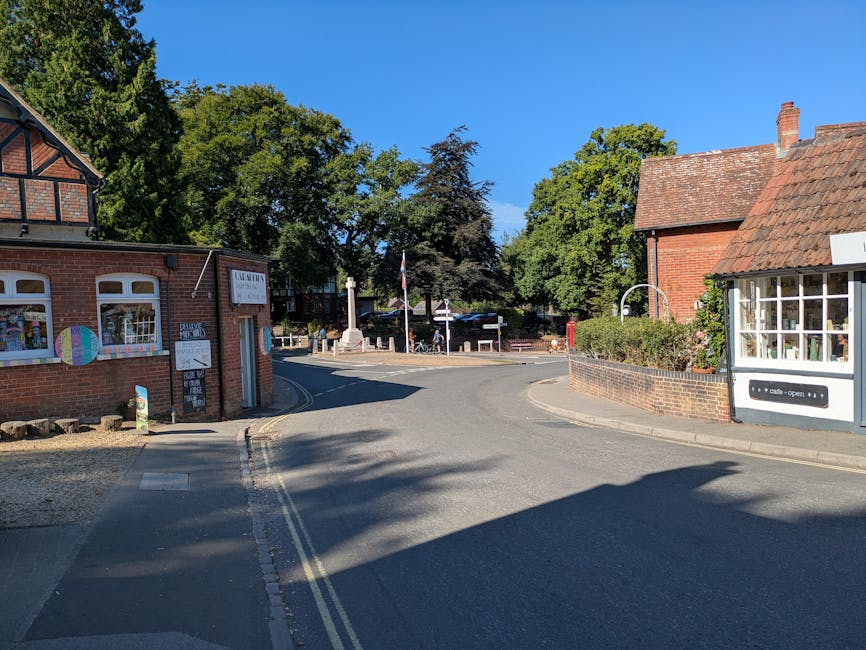
Cranham RM14 Moving-Day Guide for Narrow Streets
If you're moving in Cranham RM14 and the street outside your home is tight, parked-up, or awkwardly angled, the day needs a little more planning than a standard house move. The good news? Narrow streets do not have to turn moving day into a headache. With the right vehicle choice, sensible packing, and a realistic loading plan, you can keep the move calm, safe, and efficient.
This guide is written for anyone dealing with a constrained approach road, a small residential lane, limited kerb space, or a property where a larger lorry simply won't fit comfortably. You'll find practical guidance on planning access, protecting furniture, managing timing, and avoiding the usual mistakes that cost people time and stress. If you want broader moving advice while you prepare, you may also find stress-free packing tips, decluttering guidance before changing homes, and a stress-free moving checklist useful alongside this page.
One simple truth sets the tone for narrow-street moves: the move is easier when the vehicle and the property work together, not against each other. That means thinking about access before thinking about boxes.
Table of Contents
- Why Cranham RM14 moving-day guide for narrow streets Matters
- How Cranham RM14 moving-day guide for narrow streets Works
- Key Benefits and Practical Advantages
- Who This Is For and When It Makes Sense
- Step-by-Step Guidance
- Expert Tips for Better Results
- Common Mistakes to Avoid
- Tools, Resources and Recommendations
- Law, Compliance, Standards, or Best Practice
- Options, Methods, or Comparison Table
- Case Study or Real-World Example
- Practical Checklist
- Conclusion
- Frequently Asked Questions
Why Cranham RM14 moving-day guide for narrow streets Matters
Narrow streets change the entire moving experience. In a wide, open road, the team can park close to the door, load in a steady rhythm, and keep bulky items moving with minimal interruption. In a tighter Cranham setting, small details matter more: can the van stop safely? Is there enough turning room? Will neighbours still be able to pass? Can the front door stay open without blocking foot traffic?
These are not small concerns. If they are ignored, you can end up with longer carrying distances, extra handling, blocked access, or avoidable damage to walls, door frames, and furniture. A well-planned move, on the other hand, uses the street layout to your advantage instead of fighting it.
It also helps to remember that narrow streets tend to magnify the effect of poor packing. A badly packed box or a sofa without the right protection is much more likely to be dropped, scraped, or awkwardly twisted when the team has to navigate corners and parked cars. That's why preparing the load matters just as much as planning the route.
Expert summary: For narrow-street moves, access planning, compact loading, and clear communication are the real difference-makers. Get those right, and the rest becomes much more manageable.
If you're moving from a flat, you may also want to review flat removals in Cranham and flat removals in Cranford because stairs, tight entrances, and street access often combine into one job.
How Cranham RM14 moving-day guide for narrow streets Works
The guide follows one basic principle: reduce friction at every stage. In practice, that means understanding the street, matching the vehicle to the access, preparing the property, and staging items so they can move in the smallest possible number of trips.
Here is how a well-run narrow-street move usually works:
- Assess the access - check the road width, parked vehicles, bends, visibility, and whether the van can stop close enough to the entrance.
- Plan the vehicle size - a smaller removal van or man and van setup often makes more sense than a large lorry where access is tight.
- Prepare the load - pack so boxes are stackable, furniture is wrapped, and fragile items are clearly identified.
- Stage items near the exit - keep the first wave of items by the door or in one room to reduce back-and-forth.
- Load in a logical sequence - heavy, durable items first; fragile and awkward items positioned carefully; essentials last for easy unloading.
- Protect the route - use floor coverings, door protectors, and corner guards where needed.
That process sounds simple, and to be fair, it mostly is. The challenge is keeping it disciplined when the moving day pace increases. The street may be narrow, but your planning should stay broad and calm.
For a practical packing foundation, the team's efficient packing advice pairs well with this stress-free packing guide.
Key Benefits and Practical Advantages
A focused move plan for narrow streets gives you benefits that go beyond convenience. It can save time, reduce damage risk, and make the whole process feel less chaotic.
- Shorter carry distances when the right vehicle can get close to the door.
- Less risk of damage because fewer awkward manoeuvres are needed.
- Better neighbour relations when the move is tidy and considerate.
- Lower stress because everyone knows where items are going and how they will be loaded.
- More efficient unloading once the van reaches the destination.
There's also a practical financial angle. Even if you are not comparing formal quotes line by line, a better-prepared move usually avoids unnecessary delays and wasted labour. That matters when access is tight and time on site is naturally more precious.
For larger pieces, especially awkward furniture, a good plan can make the difference between a clean move and a messy one. If you have bulky items, see furniture removals support and the useful guidance on heavy lifting without strain.
Who This Is For and When It Makes Sense
This guide is especially helpful if you are moving from or to a property where the street is tight enough to make standard loading tricky. That might mean a terraced home, a maisonette on a busy residential road, a cul-de-sac with limited parking, or a property near a bend where only a smaller vehicle can stop safely.
It's also relevant if you are:
- moving a family home with several large items
- relocating from a flat with limited outside space
- moving a student property with tight access and mixed contents
- handling a same-day move where timing matters
- moving a piano, sofa, bed, or freezer through a narrow front approach
If you are only shifting a few items, a smaller vehicle may be enough. If your move includes bulky furniture or fragile specialist items, the access constraints become more important and the planning needs to be stronger. For niche or delicate moves, a dedicated service such as piano removals support or piano removals in Cranham may be the sensible route.
In short: if the street makes moving harder than the house itself, this guide is for you.
Step-by-Step Guidance
1) Measure the access before moving day
Walk the route from the street to the front door and note any pinch points. Look for low walls, overhanging branches, tight turns, steep slopes, parked cars, and narrow gate openings. If there is a loft, long hallway, or internal staircase, measure those too. A move can fail on the first corner, not just the first doorway.
2) Choose the right vehicle size
In narrow streets, smaller can be smarter. A compact removal van or flexible man and van setup often parks more easily and reduces the chance of blocking the road. If there is very limited manoeuvring room, the best option may be a vehicle that can stop, load efficiently, and leave without a complicated turn.
3) Pack with access in mind
Think in layers. The items needed first at the new home should be easy to identify. Fragile things should be boxed and labelled clearly. Oversized items should be wrapped in a way that keeps handles, corners, and surfaces protected. If you need support, the packing guide for movers is a solid companion piece.
4) Clear and stage the property
Make a clear route from each room to the exit. Remove loose rugs, secure pets, and keep coats, keys, and documents away from the moving path. If you are leaving a property, a hand-over cleaning checklist can help you finish with fewer last-minute surprises.
5) Load in the right order
Start with the heaviest and most stable items. Sofas, appliances, wardrobes, and boxed books are usually loaded before lighter or delicate items. Beds and mattresses deserve special handling; if you have one to move, this bed and mattress moving guide is worth reading.
6) Keep communication simple and direct
One person should coordinate the move if possible. That avoids crossed instructions at the front door, which is exactly where narrow-street moves become messy. A quick "pause here," "careful on the step," or "load this last" is often enough.
7) Unload with the destination in mind
Don't treat unloading as the mirror image of loading. In a tight street, you want the unloading order to match the layout of the new property. Rooms should be labelled before the van arrives if possible, especially when access is fast but internal navigation is not.
Expert Tips for Better Results
A few small decisions can make a narrow-street move significantly smoother.
- Use slim, stackable boxes. They are easier to carry and less likely to catch on doorframes.
- Wrap furniture corners. Corners take the first hit on tight turns.
- Protect stair and hallway surfaces. A sheet, runner, or floor covering is usually cheaper than repairing scuffs.
- Keep a tool bag separate. Screws, Allen keys, tape, and a knife should not be buried under boxes.
- Move the bulkiest items first. Once the van starts filling up, access inside the property often gets simpler, not harder.
- Book a sensible time window. Early slots often help if the street gets busier later in the day.
One useful habit is to think two steps ahead. If a sofa clears the doorway but the stair landing is tight, that's not success yet. It still has to turn. That may sound obvious, but it's the part people forget when they're focused on the front door.
If lifting techniques are a concern, particularly for solo jobs or awkward angles, read the mechanics of safer lifting and a practical look at ergonomic lifting.
Common Mistakes to Avoid
Narrow streets punish avoidable errors. The following mistakes are the ones most likely to create delays or damage.
- Choosing a vehicle that is too large for the road or turning space.
- Leaving parking to the last minute and hoping a space opens up.
- Packing heavy boxes too full, which makes them hard to carry through tight spaces.
- Forgetting to protect the route inside the property.
- Ignoring weather conditions; wet pavements and narrow kerbs are a poor combination.
- Moving without a clear loading order, which causes bottlenecks at the door.
- Not disassembling furniture early enough, especially larger beds or wardrobes.
There is also a quieter mistake: assuming that because the move is local, it will be simple. Local moves can be the most deceptive. The mileage is short, but the access challenge can be very real. Truth be told, that's where good moving planning earns its keep.
If you need a bit more preparation around the house itself, decluttering before moving can remove unnecessary clutter before it becomes a narrow-street problem.
Tools, Resources and Recommendations
You do not need a van full of specialist gear to make a narrow-street move work, but a few practical tools can make life much easier.
| Tool or resource | Why it helps | Best used for |
|---|---|---|
| Furniture blankets | Protects surfaces from knocks and scrapes | Sofas, tables, headboards |
| Stretch wrap | Keeps drawers, doors, and loose parts secure | Wardrobes, cabinets, appliances |
| Straps and trolley | Reduces carrying strain and improves control | Heavy boxes, white goods, awkward items |
| Door protectors | Limits chips around narrow frames | Interior routes and hallways |
| Floor coverings | Protects floors during repeated passes | Busy move paths |
| Label system | Makes unloading faster and less chaotic | Every box and dismantled item |
For a safer move, pair tools with the right service level. Some households only need a straightforward van and driver arrangement; others need full support with lifting, loading, and route management. If you're comparing options, the service pages on man and van in Cranham, man with a van support, and removal services in Cranford show how service scope can differ.
For storage overflow, a secure short-term plan can help if the new property is not ready yet. See storage in Cranham and storage options in Dollis Hill for the kind of support many movers need between properties.
Law, Compliance, Standards, or Best Practice
Most narrow-street moves are governed less by special law and more by common-sense best practice, local parking awareness, and duty of care. That said, a trustworthy move should still respect the basics:
- Safe loading and unloading so people are not carrying items into moving traffic or over unstable surfaces.
- Reasonable consideration for neighbours, including access to their driveways, bins, and pedestrian routes.
- Proper vehicle operation, with attention to road width, visibility, and safe stopping.
- Care around property surfaces, including floors, walls, doors, and bannisters.
- Clear communication on any hazards, such as steps, slippery paths, or awkward item weights.
If you are hiring help, look for companies that are transparent about insurance, health and safety, and terms of service. Pages like insurance and safety, health and safety policy, and terms and conditions are useful signs that the business takes its responsibilities seriously.
Parking, obstruction, and loading restrictions can vary by street and local authority, so it is sensible to check what applies to your exact address rather than relying on guesswork. If in doubt, ask early. A two-minute check can prevent a two-hour problem.
Options, Methods, or Comparison Table
Not every move in a narrow Cranham street needs the same setup. The best choice depends on access, load size, and how much help you want on the day.
| Option | Best for | Strengths | Trade-offs |
|---|---|---|---|
| Small man and van service | Light to medium loads, tight streets | Easier parking, flexible access, efficient for local moves | May require more trips for larger homes |
| Full removal service | Larger homes, bulky furniture, more complex access | More hands, better coordination, less lifting for you | Needs more planning and usually a higher service level |
| Self-move with hired van | Very budget-conscious moves with willing helpers | Control over timing and load handling | Higher physical effort, more risk if access is awkward |
| Split move with storage | Homes with timing gaps or limited space | More flexibility if keys or renovations are delayed | Extra coordination and storage handling |
For many narrow-street situations, the sweet spot is a compact vehicle plus experienced handling. If the property includes stairs, fragile furniture, or specialist items, a fuller service can save more time than it costs. Commercially speaking, that is often where value sits.
Case Study or Real-World Example
Consider a typical Cranham-style move: a two-bedroom flat off a narrow residential road, with parked cars on one side and only modest turning room near the front entrance. The household has a sofa, bed frames, a dining table, several fragile boxes, and a freezer that needs careful handling.
If this move were approached casually, the van might arrive too large for easy access, the team could spend time shuttling items from a distance, and the sofa might have to be turned awkwardly at the doorway. That is how stress starts.
A better approach looks like this:
- the van size is chosen to fit the road and stopping space
- boxes are labelled so essentials come off first
- the bed is dismantled before the crew arrives
- the freezer is cleared and prepared in advance
- the hallway is kept clear for smooth movement
- fragile items are loaded separately and secured properly
The result is usually less time spent on site, less lifting pressure, and fewer opportunities for damage. The move still requires effort, of course. It just stops feeling like a puzzle with missing pieces.
If you are handling appliances or delicate storage items, the guides on storing an unplugged freezer and keeping a sofa in good condition during storage can help protect your belongings before and after the move.
Practical Checklist
Use this checklist in the final 48 hours before moving day.
- Confirm vehicle size suits the street and driveway access
- Check whether parking close to the property is realistic
- Measure doors, stair turns, and any tight internal corners
- Disassemble large furniture where needed
- Label boxes by room and priority
- Wrap fragile, polished, or awkward items
- Reserve a clear path from each room to the exit
- Set aside tools, chargers, documents, and valuables separately
- Protect floors, bannisters, and door edges
- Notify neighbours if access may be briefly restricted
- Keep drinks, keys, and important paperwork easy to reach
- Review the final loading order with the team
Quick reminder: if you can reduce the number of touches each item needs, you reduce the risk to it. That principle alone solves a surprising number of moving-day problems.
Conclusion
Narrow streets in Cranham RM14 don't make moving impossible; they just make planning more important. The safest, smoothest moves are the ones that respect the access, choose the right vehicle, pack in a disciplined way, and keep the route clear from start to finish. Once those foundations are in place, the rest is mostly execution.
Whether you are moving a compact flat, a family home, or a few bulky pieces that need careful handling, the smartest move is to prepare for the street as much as for the house. That is the real lesson here. When access is tight, precision beats panic every time.
If you want a more tailored approach for a tight-access move, check the service information, compare the support level you need, and plan early so moving day feels organised rather than improvised.
Get a free quote today and see how much you can save.
Frequently Asked Questions
What should I check first for a move on a narrow Cranham street?
Start with road width, parking availability, turning space, and the distance from the van to your front door. Those four details determine most of the practical difficulty.
Is a small van better than a large removal lorry for narrow streets?
Usually, yes. A smaller van is often easier to park, easier to position close to the property, and less likely to block traffic or require complex manoeuvres.
How do I protect furniture when turning tight corners?
Wrap corners, use furniture blankets, and take bulky pieces apart if possible. A sofa or wardrobe that is protected properly is much easier to manage through a tight entrance.
Should I dismantle beds and wardrobes before moving day?
In many cases, yes. Dismantling large furniture reduces the size of each item, makes turns easier, and lowers the chance of scuffs or strain.
What if parking directly outside the property is impossible?
Then the move needs a carry plan. That might mean selecting a van that can stop nearby, clearing a safe route, and allowing more time for each trip.
How can I make loading faster in a narrow street?
Pack boxes by room, stage items near the exit, and load the biggest stable items first. A clear sequence helps the team work without crossing paths.
Are narrow-street moves more expensive?
They can be, depending on access, parking distance, and the amount of handling required. The final cost usually depends on time, effort, and service level rather than location alone.
Do I need special insurance for a difficult access move?
You should always check that the mover has suitable insurance and works with clear safety procedures. Good providers explain this plainly before the move begins.
What items are hardest to move in narrow streets?
Large sofas, beds, wardrobes, pianos, and heavy appliances tend to be the most awkward because they are difficult to turn, lift, and carry in tight spaces.
Can I move on my own if the street is narrow?
Yes, if the load is light and the access is manageable. But for heavier or bulkier items, extra help is often safer and more efficient than attempting it alone.
How early should I book a moving service for a narrow-access property?
As early as you can, especially if you need a specific vehicle size or a timed arrival window. Early booking gives more flexibility and usually reduces last-minute pressure.
What's the best way to avoid damage to walls and doors?
Use protective coverings, take wider items slowly, and assign someone to guide pieces through tight turns. Most damage happens during corners and doorway transitions.
Where can I find more help with packing, lifting, or storage?
Useful next steps include packing and boxes in Cranham, removal van options in Cranford, and more about the team and approach if you want to compare service details before booking.